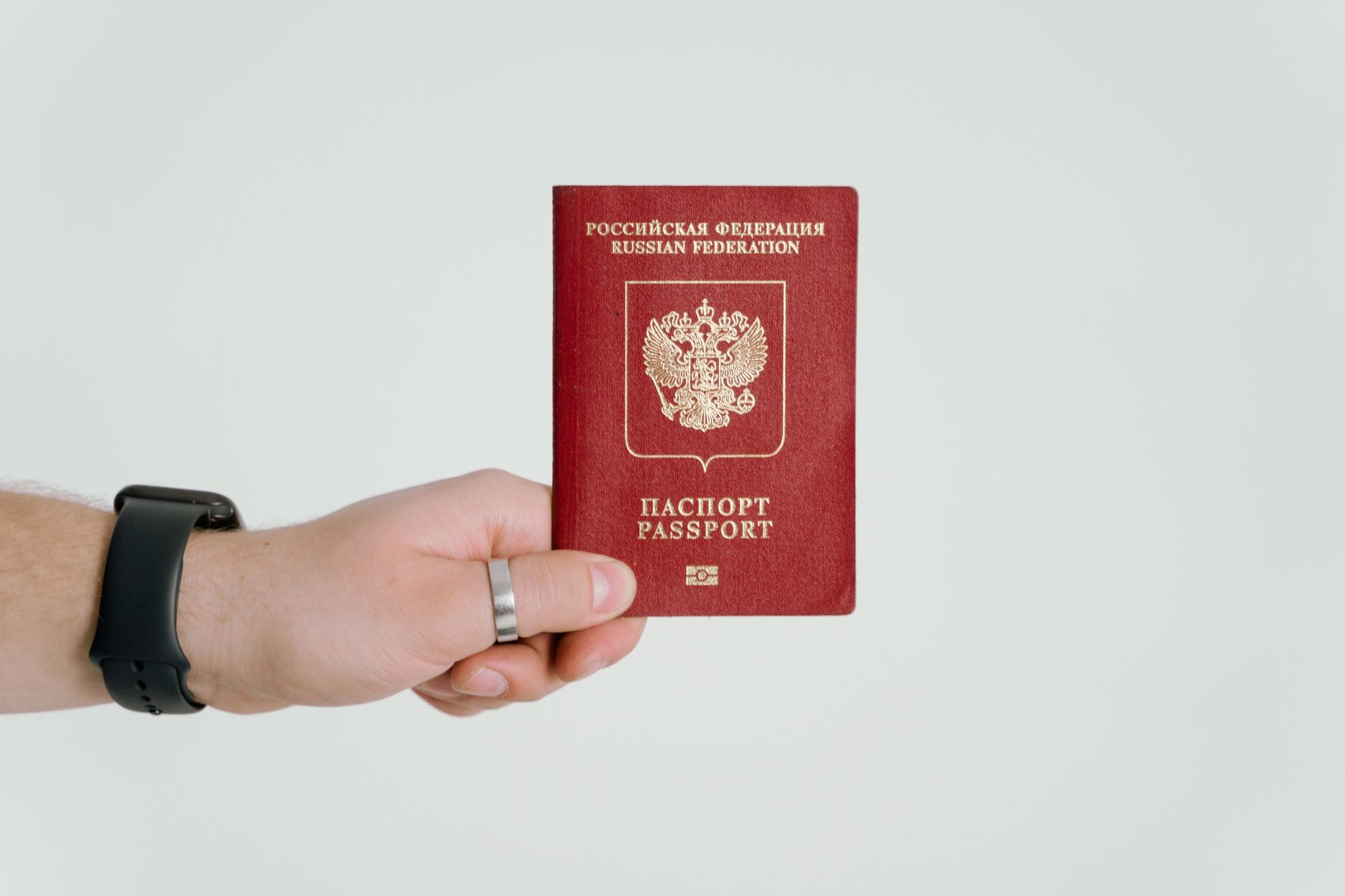
A standard China tourist visa takes 4 to 5 working days to process, or 2 to 3 working days with express service. Count 1 to 2 weeks door to door and apply 4 to 6 weeks before departure.
China Visa Processing Times at a Glance
As of November 2026, Chinese embassies, consulates and the visa application service centres that handle applications in many countries offer three speeds:
- Standard service: 4 to 5 working days
- Express service: 2 to 3 working days, for a surcharge (typically the equivalent of USD 20-40)
- Rush service: 1 to 2 working days, offered only at some missions, usually for genuine emergencies, at a higher fee
If your application goes through an external visa application centre rather than the consulate itself, add 1 to 2 working days for documents to be forwarded and returned. Where postal applications are accepted, add roughly a week each way.
Working days exclude weekends and public holidays. Chinese missions close for both local holidays and Chinese holidays — Golden Week in early October and the Chinese New Year period in late January or February are the big ones ��� so a 5-working-day application that crosses either holiday can take two weeks or more in calendar terms.

Standard, Express and Rush: What Each Timeline Really Means
Standard service (4-5 working days)
The default. You submit, pay, and collect roughly a week later. This is what most leisure travellers should plan around.
Express service (2-3 working days)
Pay a surcharge at submission and your passport is ready in two to three working days. Worth it if your trip is close, but availability varies by mission — some centres cap the number of express slots per day.
Rush service (1-2 working days)
Same-day or next-day processing exists at some embassies and consulates, but it is discretionary, usually granted for medical or business emergencies, and costs the most. Never build a trip plan around it.
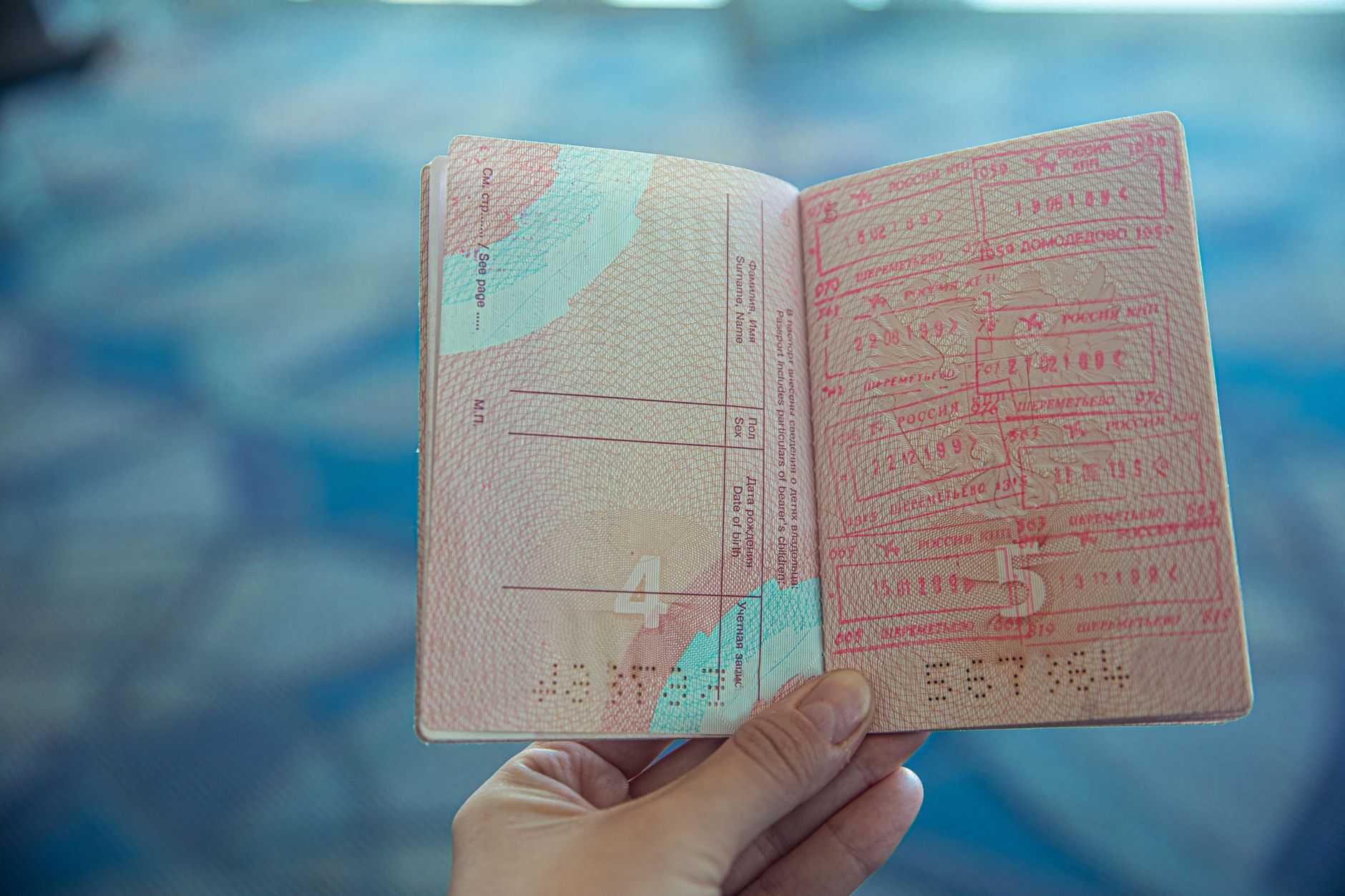
A Real Door-to-Door Example
Take a traveller in London applying for an L (tourist) visa:
- Day 1: completes the online application form and books an appointment at the visa application centre. In peak months (June to August, and the weeks before Chinese New Year), free slots can be several days to two weeks out, so the appointment itself is often the longest wait.
- Day 2: attends in person with passport, photo, flight bookings and hotel confirmations, and pays the standard fee.
- Days 3-7: processing, at 4 working days standard speed.
- Day 9: collects the passport with the visa inside.
End to end: about 9 calendar days, of which only 5 were actual processing. Apply by post where allowed and the same application can stretch to three weeks. This is why we tell HXXC Travel clients to treat how long a China visa takes as a door-to-door question, not just a processing question.
What Can Slow Your Application Down
- Appointment scarcity. Peak periods: June to August, the weeks before Golden Week, and the run-up to Chinese New Year.
- Weak documents. A day-by-day itinerary with real hotel names beats a vague plan. For M (business) visas, a proper invitation letter from a Chinese company is required, and getting one issued takes time on the Chinese side.
- Extra review for some applicants. Journalists, government employees and applicants with certain professional backgrounds can face additional screening that adds days or weeks. Former Chinese citizens applying for their first visa after naturalisation are usually asked to submit their previous Chinese passport or proof of renunciation — missing this is a common cause of re-submission.
- Data errors. A name, passport number or date that does not match the passport exactly can send the application back.
- Family visit cases. Q visas need an invitation letter with the host's Chinese ID details, which takes time to assemble.
Do You Even Need a Visa? Visa-Free Rules as of November 2026
Before you budget any processing time, check whether you need a visa at all. Three routes can skip it:
- 240-hour visa-free transit. Passport holders of 57 countries — including the US, UK, Canada, Australia, New Zealand and most of the EU — can enter mainland China without a visa for up to 240 hours (10 days) when transiting to a third country or region. Entry and exit must be through designated ports (Beijing Capital, Shanghai Pudong, Guangzhou Baiyun, Chengdu Tianfu and Xi'an Xianyang are among roughly 60 approved crossings), and you must stay within the permitted areas, which now cover a large share of the country. A Beijing-Xi'an-Shanghai loop fits comfortably inside 10 days.
- 30-day unilateral visa-free entry. China has been extending a rolling visa-free scheme for ordinary passports of a list of countries that has included France, Germany, Italy, Spain, the Netherlands, Malaysia, Australia, New Zealand and Brazil, among others. Extensions have been announced in stages, so verify the current list and its expiry date before you book flights.
- Mutual visa-free agreements. Singapore and Thailand passport holders, among others, can enter mainland China visa-free for 30 days under bilateral deals.
There are also group schemes: 30-day visa-free entry to Hainan for organised tour groups, visa-free entry for cruise tour groups arriving at designated ports, and a 240-hour visa-free scheme for organised tour groups entering Guangdong from Hong Kong or Macao. That last one suits Hong Kong-based itineraries — as a Guangdong-based operator, HXXC Travel builds many Hong Kong plus Guangdong trips (Guangzhou, Jiangmen and the Kaiping diaolou watchtowers) around it.
Hong Kong and Macao run separate immigration systems. Most Western passport holders enter Hong Kong visa-free for 90 to 180 days, so a Hong Kong stop needs no Chinese visa — but crossing into the mainland does, unless you use a transit scheme.
How to Apply, Step by Step
1. Confirm you need a visa using the rules above.
2. Complete the online application form (COVA) on your nearest Chinese mission's website and upload a digital photo (33 x 48 mm, white background).
3. Book an appointment. Most missions — and the visa application centres that serve them — require one; walk-ins are generally not accepted.
4. Attend in person. First-time applicants aged 14 to 70 have fingerprints taken, which is why postal applications are generally not possible for first-timers.
5. Pay the fee. It varies by nationality and number of entries: US passport holders currently pay around USD 140, while many European passport holders pay less. Express and rush surcharges are added on top. Confirm the exact figure with your application centre.
6. Collect your passport, or use the return mail service where offered.
For an L visa you will need: a passport valid for at least 6 months with blank pages, the completed form, one recent photo, round-trip flight bookings and hotel reservations or a full itinerary. HXXC Travel provides confirmed day-by-day itineraries and hotel vouchers with every tour booking — exactly what consulates want to see — and points clients to the correct application centre for their home jurisdiction.
When to Apply: The Timing Sweet Spot
A standard L visa is usually valid for 3 months from the date of issue, with 30 days of stay per entry. Apply too early and the visa can expire before you fly. The practical window:
- 4 to 6 weeks before departure for most travellers.
- 8 to 10 weeks if you need an appointment in peak season or extra documents such as invitation letters or family visit proof.
- Any time, if you qualify for a 10-year multiple-entry visa — available to US passport holders, allowing stays of up to 60 days per entry.
Last reviewed October 2026. Visa rules, fees and visa-free lists change frequently; reconfirm every time-sensitive detail with your nearest Chinese embassy, consulate or visa application centre before booking.
FAQ: China Visa Processing Time
How long does a China visa take to process?
Four to five working days at standard speed, or two to three with express service. Add centre handling time and holidays, and 1 to 2 weeks door to door is realistic.
How fast can I get a China visa?
At some missions, 1 to 2 working days with rush service, usually for emergencies and at the highest fee. Otherwise, 2 to 3 working days with express processing.
How much does a China visa cost?
It depends on nationality and number of entries. US passport holders pay around USD 140; most other nationalities pay roughly USD 30 to 150 equivalent. Express and rush services cost extra.
Can I get a China visa on arrival?
No. There is no regular visa on arrival for tourism. The visa-free alternatives are the 240-hour transit scheme, unilateral 30-day visa-free entry for listed countries, and group schemes.
How far in advance should I apply for a China visa?
4 to 6 weeks before departure. Earlier than about 3 months is risky, because a standard L visa is usually valid for only 3 months from issue.
Do US citizens need a visa for China?
Yes, for ordinary tourism. US passport holders can, however, use 240-hour visa-free transit, and are eligible for 10-year multiple-entry visas with stays of up to 60 days per entry.
Do I need an appointment to apply for a China visa?
Yes, at most embassies, consulates and visa application centres. Book online after completing the application form; slots can be one to two weeks out in peak season.
Related private tours
- Best Of China — 20-Day Private Tour — 20 days
- Grand China Explorer — 15 Days — 15 days · From US$1,500
- Best Tour In China - 19 Days Trip — 19 days · From US$2,896