Quick answer: Travelling China during China’s October National Day Golden Week or Chinese New Year is feasible for international visitors, but requires 2–3 months of advance bookings, adjusted itineraries to avoid the most overcrowded sites, and flexibility for last-minute transport changes. As of November 2026, both holidays record more than 700 million domestic trips per window, making them the busiest and most disruptive travel periods of the Chinese calendar.
Key 2026–2027 Holiday Dates and Core Logistics
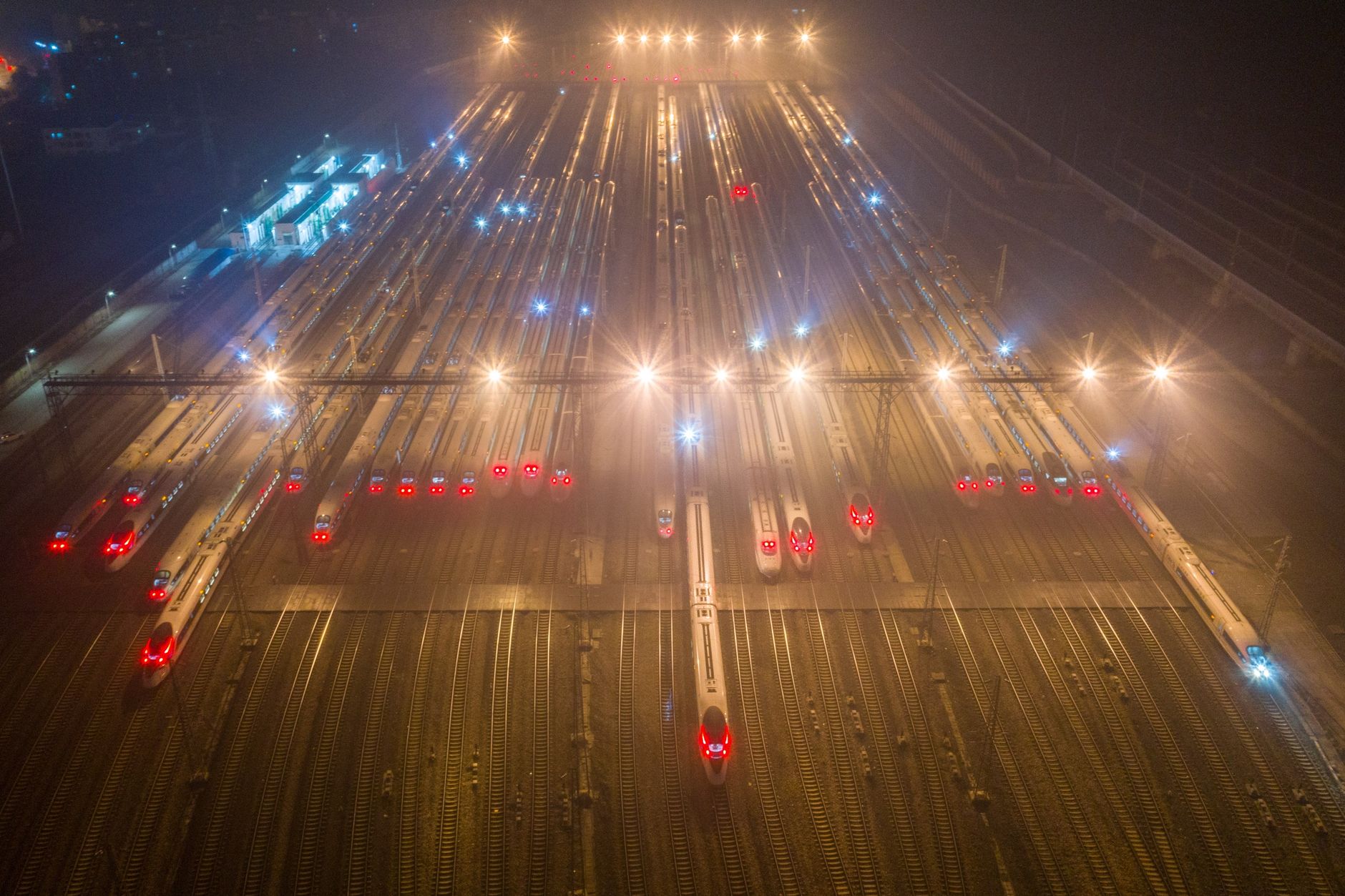
As of November 2026, National Day Golden Week holds fixed annual dates of October 1–7, with two adjacent make-up work days (one preceding Sunday, one following Saturday) that give most workers 7 consecutive days off. Travel demand spikes 1–2 days before the official start, with return travel peaking on October 7, when nearly all high-speed rail and domestic flights on major routes sell out. The 2027 Chinese New Year public holiday runs February 6–12, tied to the Lunar New Year date of February 6. The associated Chunyun travel rush spans 40 days total, starting 15 days before the holiday and ending 25 days after, as migrant workers travel cross-country for family reunions. Official holiday dates and make-up work arrangements are announced 2–3 months in advance by the State Council, so travellers should re-check final timelines before locking in bookings.

How Crowded Are These Holidays, Really?
Crowd levels vary sharply by site and travel date during both holiday windows:
- Tier 1 iconic sites (Forbidden City in Beijing, West Lake in Hangzhou, Zhangjiajie National Forest Park, Jiuzhaigou National Park) hit maximum daily visitor capacity for all 7 days of Golden Week, with entry tickets selling out 7–14 days in advance. Wait times for cable cars, internal shuttles and popular viewing spots can reach 2–3 hours during midday peaks.
- Major high-speed rail hubs (Beijing West, Shanghai Hongqiao, Guangzhou South, Chengdu East) see passenger volumes 2–3 times average, with security wait times extending to 45–60 minutes on peak travel days. Domestic flight prices on trunk routes (Shanghai–Beijing, Guangzhou–Chengdu) typically rise 2–3 times off-peak levels in the 3 days leading into each holiday.
- Smaller tier 3 cities and rural destinations in Guangdong, Guangxi and Yunnan see far lower crowd levels, especially for visitors who avoid the first 2 and last 2 days of each official holiday window.
Booking Lead Times and Non-Negotiable Pre-Trip Steps
As of November 2026, the following lead times apply for peak holiday bookings, and travellers should re-check booking window rules on official platforms before purchase, as release schedules can shift:
- Intercity high-speed rail tickets go on sale 15 days before departure via the official 12306 platform. During peak periods, popular routes sell out within minutes of release, so set calendar alerts for ticket release times if travel dates are fixed.
- Top-tier attraction entry tickets (Forbidden City, Terracotta Army, Badaling and Mutianyu Great Wall) go on sale 7–10 days in advance via official WeChat mini-programs. Almost no on-site ticket sales are available for these sites during holidays, so arriving without a pre-booked ticket will result in being denied entry.
- Domestic flights should be booked 2–3 months in advance for the lowest prices; bookings made within 2 weeks of the holiday typically carry fares 200–300% above off-peak rates.
- Hotel bookings in core tourist districts should be locked in 1–2 months in advance, as properties in central Beijing, Hangzhou, Xi’an and Lijiang often reach 100% occupancy 2 weeks before the holiday, with remaining room rates marked up 50–150%.
HXXC Travel’s Jiangmen-based team recommends building 1–2 days of buffer time into any peak-period itinerary, as last-minute train cancellations or expressway traffic delays can add multiple hours to cross-province travel.
Chinese New Year: Unique Experiences and Travel Trade-Offs
Chinese New Year is the most important annual family holiday in China, so the travel experience differs sharply from October Golden Week. Most large first-tier cities (Beijing, Shanghai, Guangzhou, Shenzhen) see a sharp population drop as migrant workers return to home provinces, making urban core areas far quieter than usual during the first 3 days of the holiday. Most small family-run restaurants, convenience stores and local businesses in these cities close from New Year’s Eve to the fifth day of the first lunar month, though major shopping malls, chain restaurants and tourist sites remain open.
Key experiences only available during the Chinese New Year period include:
- Temple fairs in Beijing (Ditan Park, Longtan Park) and Guangzhou (Yuexiu Park), with folk performances, handcraft stalls, traditional snack vendors and calligraphers selling handwritten spring couplets.
- Lion and dragon dance performances held in public squares, village entrances and commercial districts across Guangdong, Fujian and the Greater Bay Area, running from New Year’s Day through the Lantern Festival on the 15th day of the lunar new year.
- Regional reunion dinner traditions, including poached chicken in Guangdong, boiled dumplings across northern China, niangao glutinous rice cake in eastern and southern provinces, and Sichuan hot pot in the southwest.
The main trade-offs for Chinese New Year travel include the year’s highest transport prices and volumes during the Chunyun rush, especially on routes between coastal manufacturing hubs and inland home provinces (e.g. Guangzhou to Wuhan, Shanghai to Chengdu). Scenic sites in inland provinces often see higher than average crowds, as local families take short day trips during the break.
October Golden Week: Weather, Highlights and Common Frustrations
National Day Golden Week falls in early October, when most of China sees mild, dry autumn weather: 15–25°C across northern and central China, and 22–30°C across southern Guangdong and Guangxi. This reliable weather makes the holiday one of the most popular windows for domestic travel, driving the high crowd volumes.
Common Golden Week frustrations include multi-hour expressway traffic jams leading to popular scenic areas, 2+ hour wait times for restaurant tables in core tourist districts, and sold-out internal scenic transport (cable cars, lake cruises, shuttle buses) even for visitors with pre-purchased entry tickets.
Simple itinerary adjustments that drastically improve the Golden Week experience include:
- Visiting top-tier sites on October 1, when most domestic travellers are still en route to destinations, rather than the peak crowd days of October 3–5.
- Prioritising urban walking routes, museum visits and local neighbourhood exploration over mountain and national park sites, which see the worst crowd bottlenecks.
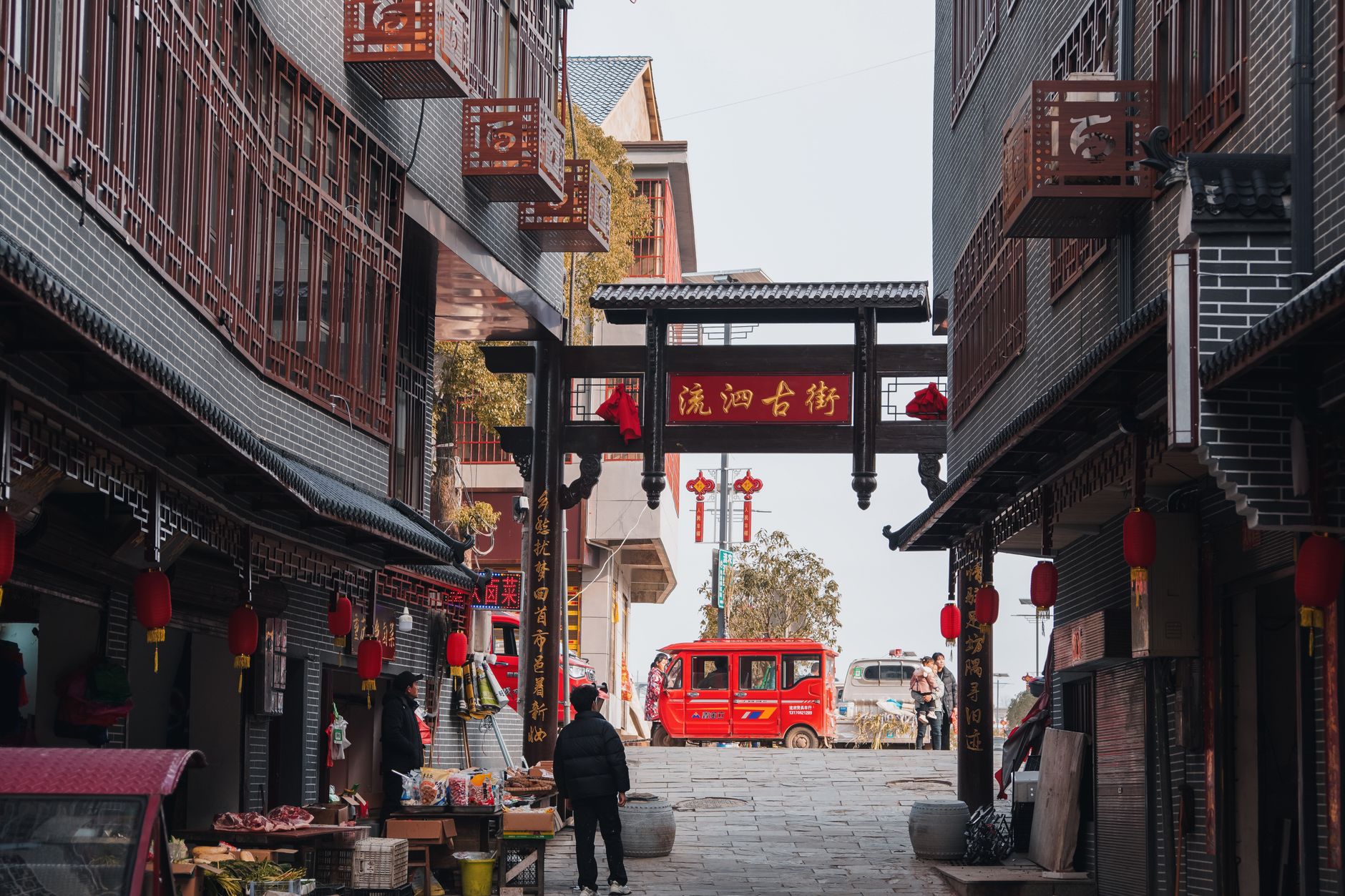
- Basing itineraries in less tourist-heavy Greater Bay Area destinations such as Jiangmen’s overseas Chinese heritage villages, the Kaiping Diaolou, or historic towns in eastern Guangdong, which see a fraction of the visitor numbers of sites like West Lake or Zhangjiajie during the break.
Peak Itinerary Adjustments From HXXC Travel
Drawing on years of operating tours across Guangdong and nationwide during both peak holidays, the HXXC Travel team recommends the following practical steps for international visitors:
- Avoid long cross-province travel on the first 2 and last 2 days of each official holiday window. If possible, fly into your destination city 3–4 days before the holiday starts, and base yourself in one core region for the duration of the break to reduce exposure to sold-out transport and traffic delays.
- Skip the most famous national parks during the middle of the holiday: Badaling Great Wall, Zhangjiajie, Jiuzhaigou and Huangshan report regular incidents of visitors stuck on mountain paths for hours during past Golden Week periods. Instead, opt for regional alternatives: visit the Jiankou or Gubeikou Great Wall sections instead of Badaling, or Zhaoqing’s Dinghu Mountain reserve instead of more crowded mountain sites in northern Guangdong.
- Carry small amounts of cash and backup payment methods during Chinese New Year, as some small vendors and local transport operators in smaller towns may not have working digital payment systems when covering for staff on leave.
- Build extra time into all daily plans: restaurant meals, taxi rides, hotel check-in and attraction entry all move slower than during off-peak periods, so tight, minute-by-minute schedules will almost always run behind.
Is a Holiday-Period China Trip Right for You?
A trip during Golden Week or Chinese New Year works well for travellers who:
- Are comfortable navigating busy public spaces and do not require a rigid daily itinerary
- Want to attend public festival events and cultural traditions not held at other times of year
- Can book transport, tickets and accommodation 2–3 months in advance
- Prefer to explore one regional area in depth rather than rushing between multiple provinces on a tight schedule
A holiday-period trip is not recommended for travellers who:
- Prefer quiet, low-density visits to iconic sites with minimal wait times
- Have a fixed, multi-city cross-country itinerary with tight transport connections
- Cannot pre-book entry tickets and transport weeks in advance
- Are travelling on a tight budget, as accommodation and transport prices rise sharply across nearly all routes
As of November 2026, 30-day visa-free entry remains available for nationals of 50 countries, but travellers entering during peak holidays should allow extra time for airport immigration processing, as wait times can be 30–60 minutes longer than average due to higher passenger volumes. Always re-check the latest visa and entry policy updates on official Chinese government channels in the 2 weeks before departure, as rules can change with limited advance notice.
Frequently Asked Questions
How far in advance should I book China travel for Golden Week or Chinese New Year?
Book international flights 3–4 months in advance, domestic flights and hotels 2–3 months in advance, and set calendar alerts for high-speed rail and attraction tickets the moment they go on sale (15 days before rail travel, 7–10 days before attraction visits). Waiting to book within a month of the holiday will result in limited options and significantly higher prices.
Do tourist sites close during Chinese New Year?
Most major state-run tourist sites remain open during Chinese New Year, though some operate reduced hours on New Year’s Eve and the first day of the lunar new year. Small family-run attractions, independent restaurants and local shops may close for 3–5 days around the new year, especially in smaller cities and rural areas. As of November 2026, all major sites publish holiday opening schedules 1–2 weeks in advance on their official channels, so re-check before visiting.
Is it cheaper to travel to China during Golden Week or Chinese New Year?
International flight prices to China do not rise as sharply as domestic prices during these holidays, but on-the-ground costs (domestic transport, hotels, select tour services) are typically 30–150% higher than off-peak rates. The lowest prices within each holiday window usually fall on the last 2 days, when domestic travel volumes drop and hotel prices begin to fall.
Related private tours
- Best Of China — 20-Day Private Tour — 20 days
- Best of China — 19-Day Private Tour — 19 days · From US$2,450
- Best Tour In China - 19 Days Trip — 19 days · From US$2,896