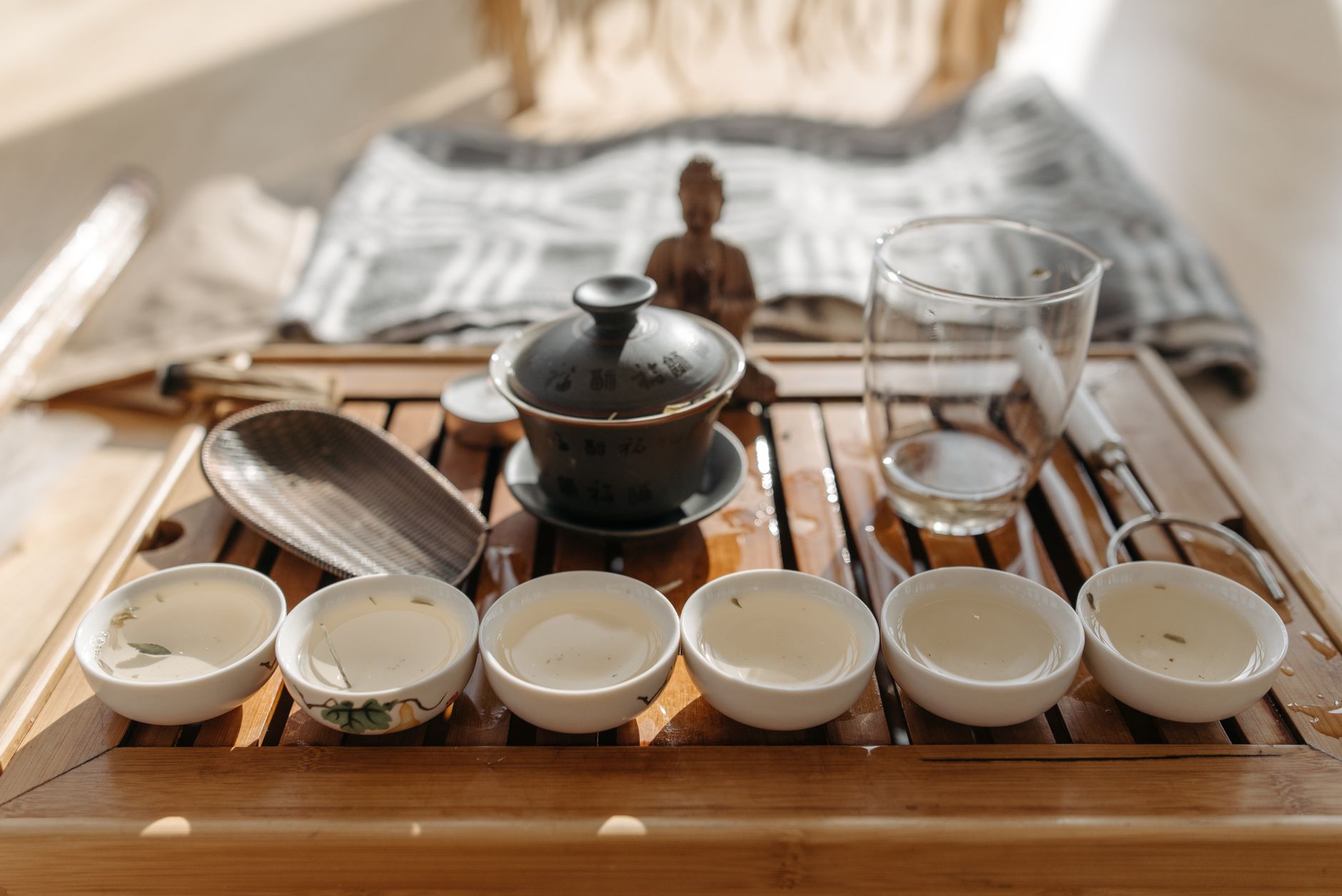
As of November 2026, standard formal business etiquette in mainland China prioritizes respect for seniority, clear reciprocal gestures, and avoidance of public embarrassment for all participants. Most missteps that international travelers make are easily avoidable with basic pre-trip preparation, no advanced cultural expertise required.
Key Facts At A Glance
- As of November 2026, 240-hour visa-free transit is available for nationals of 57 countries across 24 provincial regions, for work trips under 6 days
- Formal business meetings typically start 10 to 15 minutes ahead of the scheduled advertised time
- Name cards should be printed with Mandarin Chinese text on one side and your native language on the other, and presented with two hands
- Business dinners are almost always hosted by the side that is requesting the partnership, and the host pays the full bill with no splitting
- Toasting at formal dinners is led exclusively by the most senior person from the hosting side, before any other guests may propose a toast
- Direct public rejection of a proposal is considered extremely impolite, even if the offer is not acceptable to your team
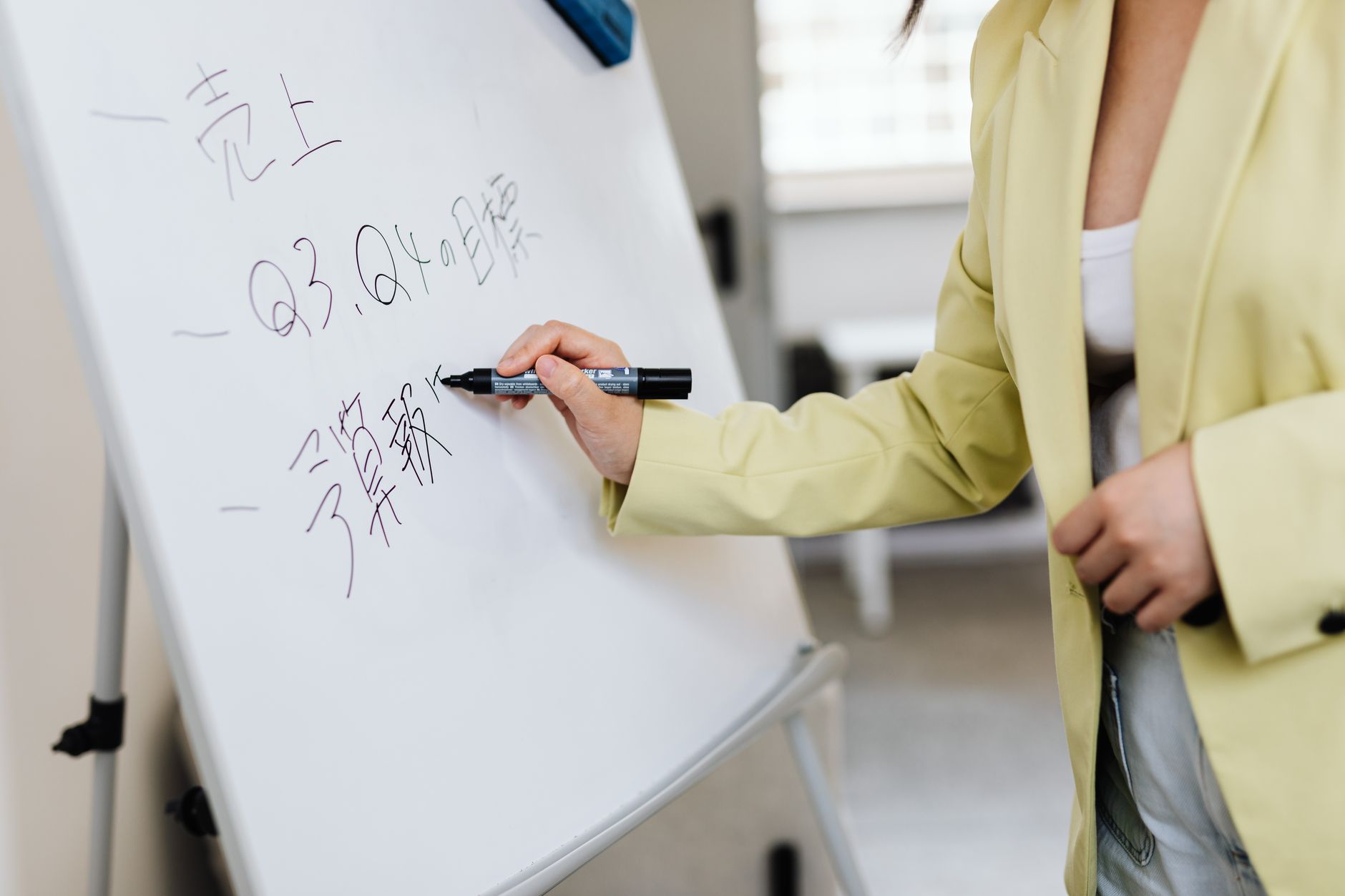
Pre-Meeting Etiquette
Timing and Attire
Arriving 10 minutes early to any scheduled business meeting is standard practice. Arriving late without a pre-communicated, verifiable emergency will be seen as a sign of disrespect, and can set a negative tone for the full duration of your trip. Formal attire for most industries includes a dark solid-color suit, closed-toe shoes, and no bright patterns or accessories. For men, a plain collared shirt under the suit jacket is standard, and any visible tattoos should be covered. For women, low-heeled shoes and non-revealing clothing is the default expectation. HXXC Travel’s corporate trip planning team advises clients to confirm the expected dress code 72 hours in advance with their local counterpart, as tech industry meetings in cities like Shenzhen or Hangzhou may allow for casual collared shirts and no suit jacket.
Name Card Exchange
Name card exchange is not a trivial formality, it is the first formal introduction of your professional identity to your Chinese counterparts. Print cards with simplified Chinese text on one side and your native language on the other, no translation apps or handwritten notes on the card are acceptable. Present the card with the Chinese text side facing up, using both hands to hold the top two corners of the card. You should read every card you receive for 2 to 3 seconds before placing it on the table in front of you. Do not immediately shove the card in a pocket or bag, and do not write on someone else’s name card in their presence, as that action is considered rude.

In-Meeting Etiquette
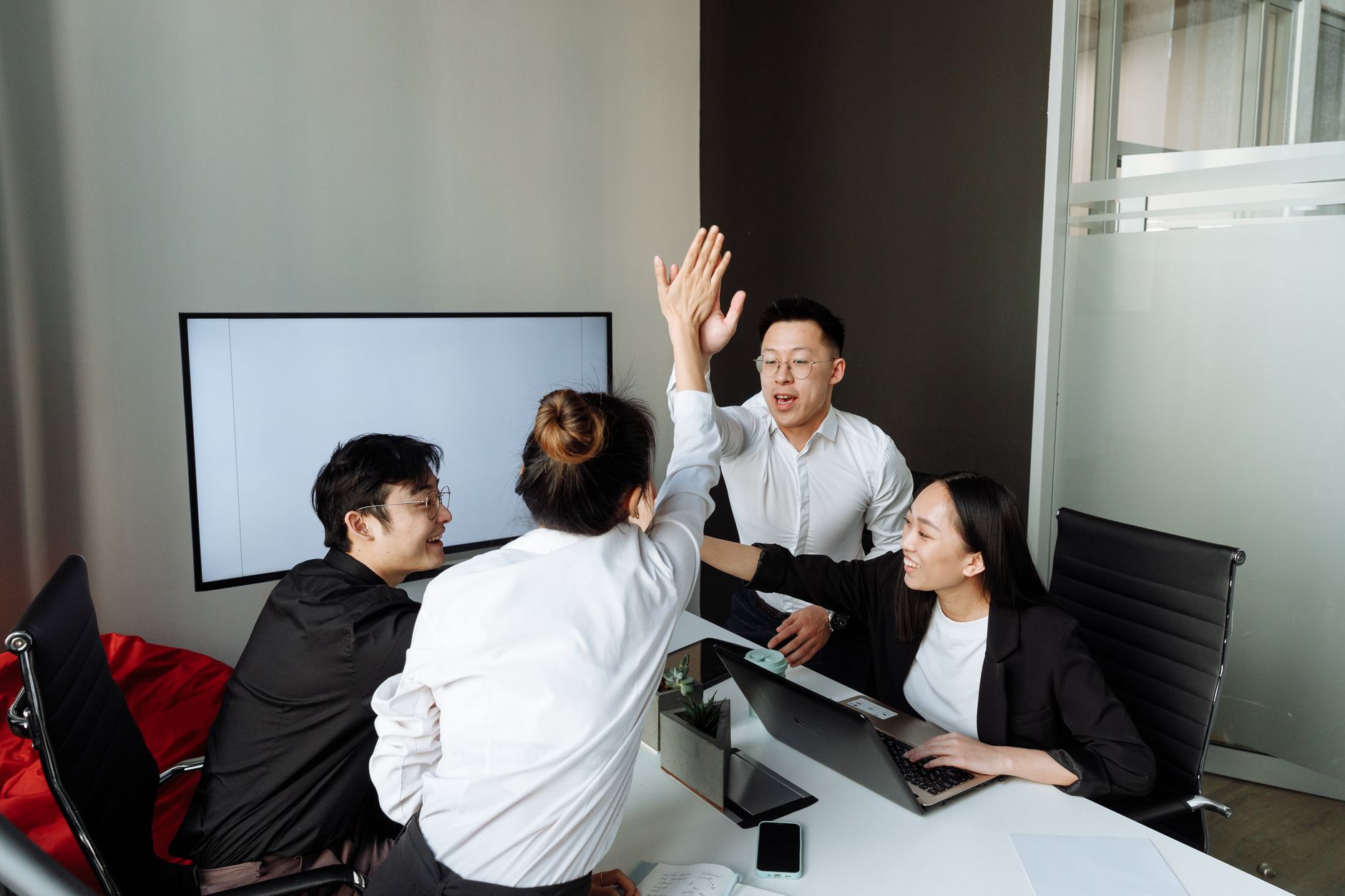
The seating arrangement at a formal Chinese business meeting is strictly mapped out by seniority, and you will usually be directed to your seat by a host staff member. The most senior person from the hosting team will sit in the seat directly facing the door of the meeting room, and the most senior person from your visiting team will sit directly across from them. All other team members will be seated in order of rank down either side of the table. Do not move name placards or attempt to rearrange seating on your own.
When speaking, direct most of your opening remarks to the most senior person on the hosting side first, before addressing other team members. If you are presenting a proposal, avoid overly aggressive sales language or hard closing tactics. Chinese business teams prefer to build trust over multiple interactions before committing to a deal, and pushing for a final yes in a single meeting will usually backfire. If a counterpart says “we will consider this later” or “this requires further internal review”, that is not a polite way to reject you, it is a standard neutral response that can lead to follow up discussions over the next 1 to 3 weeks. Do not press them for a definitive answer on the spot.
Formal Business Dinner Etiquette
Business dinners are not for making final deals, they are for building personal rapport with your counterparts. 90% of the discussion at a formal business dinner will cover non-work topics such as travel, food, hobbies, and your home country, not contract terms or pricing. Most formal business dinners last between 2 and 3 hours, and usually include 8 to 12 shared dishes served on a rotating round turntable.
Seating and Arrival
The seating at a business dinner is arranged around a round turntable table, with the most senior host sitting directly facing the door, and the most senior guest sitting to their immediate right. You will be shown to your seat by host staff, do not sit down before the senior host has taken their seat. No one should leave the dinner before the most senior host signals that the event has concluded.
Dining Rules
Use the shared serving chopsticks that are placed on the table for each dish, do not use your personal eating chopsticks to take food from the shared plates. Never stick your chopsticks straight up vertically in a bowl of rice, that is associated with funeral traditions and is considered very bad luck. The host will be the first to pick up food from the turntable, and you should wait until they do so before eating. Do not turn the turntable counterclockwise, always rotate it clockwise around the table.
Toasting Protocol
The most senior host will make the first toast, usually 10 to 15 minutes after everyone is seated and the first round of drinks is poured. You should stand up for the toast, hold your glass lower than the senior host’s glass when you clink, and take at least a small sip of your drink even if you are not drinking alcohol. Non-alcoholic alternatives such as tea, soda, or juice are always acceptable, you do not need to drink baijiu or beer if you do not want to, just state politely that you prefer a non-alcoholic drink. Do not propose a toast to the most senior person on the hosting side before they have made their opening toast.
Our local corporate tour team based in Jiangmen, Guangdong, has supported 1,200+ international business delegations across 27 mainland Chinese cities since 2018, and we can arrange pre-dinner briefings, dedicated translators, and custom itinerary planning for work trips of any length. As of November 2026, all our corporate trip packages include a 30-minute pre-departure etiquette briefing tailored to your specific industry and destination city. We recommend all clients re-check any location-specific etiquette rules with their point of contact in China 48 hours before their meeting, as regional norms can vary slightly between northern and southern provinces.
Frequently Asked Questions
How long can I stay in China for business under the 2026 visa-free transit policy?
As of November 2026, eligible nationalities can stay for up to 144 hours (6 full days) across 20 Chinese provinces and municipalities without a formal business visa, as long as they have a confirmed onward flight to a third country (not their country of origin) booked for the end of the 6 day window. You must confirm your eligibility with your local Chinese embassy before travel, as rules are subject to change.
Is it rude to bring a gift to a first business meeting in China?
It is not rude, but avoid overly expensive gifts that could be interpreted as an attempt to sway a business decision. Small, branded gifts from your home country such as locally made chocolate, a custom notebook, or a souvenir from your city are perfectly acceptable. Never give clocks, umbrellas, or white flowers as gifts, as these items are associated with funeral traditions in Chinese culture.
Can I wear casual clothing to a tech industry business meeting in Shenzhen?
As of November 2026, most internet and hardware tech companies in Shenzhen, Hangzhou, and Shanghai allow casual collared shirts, chinos, and clean sneakers for in-person meetings. You should still confirm the dress code with your local counterpart ahead of time, as more traditional industries such as finance, manufacturing, and government still require full formal business attire.
Related private tours
- Shanghai in Four Days — Old Town to Neon Skyline — 4 days
- Best of China — 19-Day Private Tour — 19 days · From US$2,450