
Budget 10 Days in China: The Short Answer
Yes — Beijing, Xi'an, Chengdu and Lijiang in 10 days costs roughly ¥4,500-6,500 (about $630-910) per person, excluding international flights. This plan uses second-class high-speed rail, one short internal flight, hostels and cheap private rooms, and still hits the Great Wall, the Terracotta Army, pandas and Lijiang's old town. Prices and rules were checked as of November 2026 — re-check fares and visa policy before booking, because both change.
The route at a glance
- Days 1-3: Beijing — Forbidden City, Mutianyu Great Wall, Temple of Heaven, hutongs
- Days 4-5: Xi'an — Terracotta Warriors, city wall by bike, Muslim Quarter street food
- Days 6-7: Chengdu — panda base at opening time, teahouses, hotpot
- Days 8-9: Lijiang — old town lanes, Black Dragon Pool, Baisha village
- Day 10: fly home from Lijiang, connecting through Kunming, Chengdu or Guangzhou
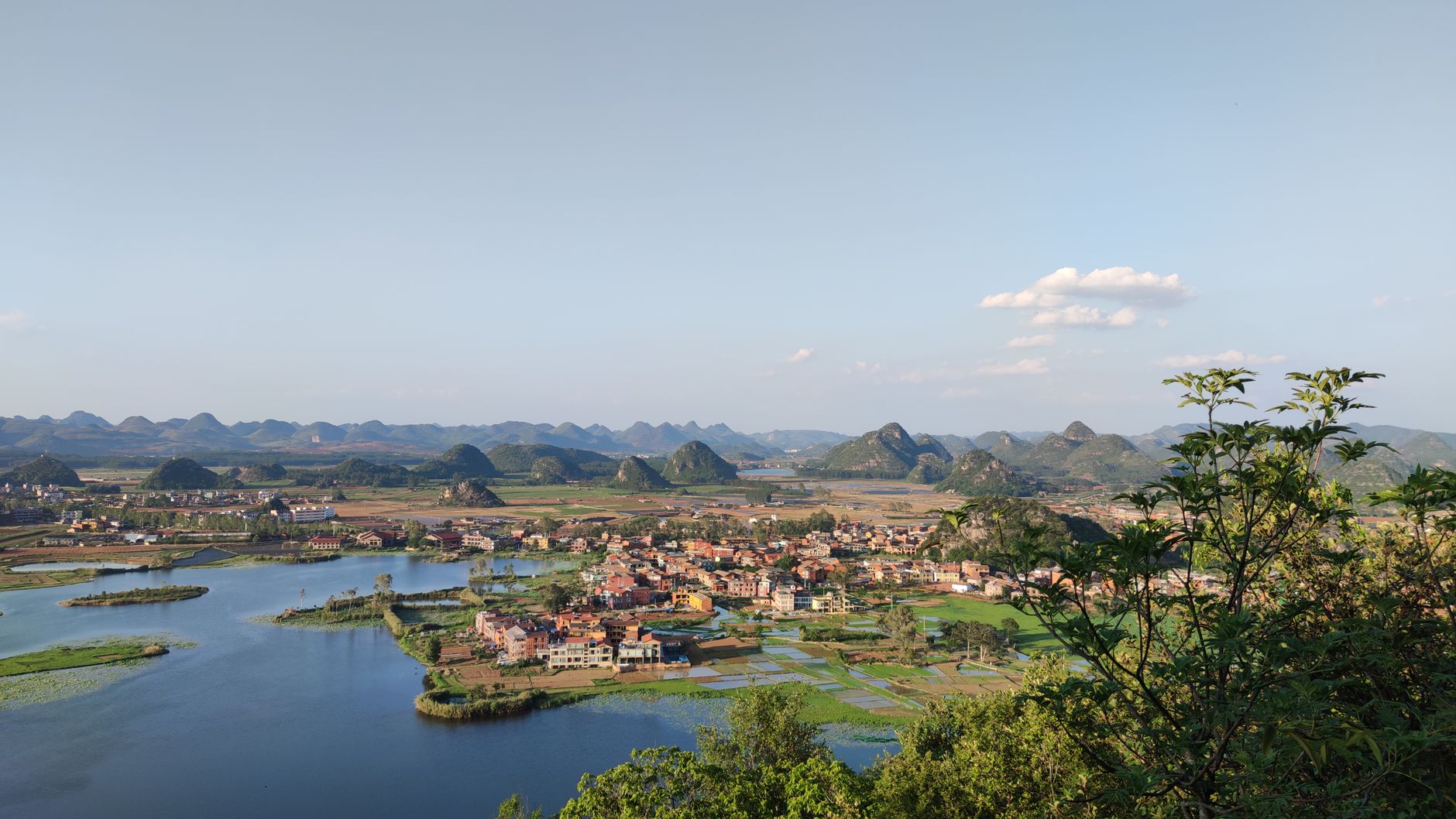
What the Budget Actually Buys in 2026
Per person, this itinerary runs on ¥450-650 (about $63-91) per day if you share a room, less in a hostel dorm. Typical line items:
- Dorm bed in a central hostel: ¥60-130 per night; simple private room with bathroom: ¥180-320
- Street food and noodle-shop meals: ¥10-25 per dish; a sit-down Sichuan hotpot: ¥60-100 per person
- Metro rides in Beijing, Xi'an and Chengdu: ¥2-7; Beijing airport express trains: ¥25-35
- Big-ticket sights: Forbidden City ¥60, Terracotta Warriors ¥120, Mutianyu Great Wall ¥40 plus optional cable car
- Trains: Beijing–Xi'an second class ¥520-560; Xi'an–Chengdu ¥260-300
- Flight Chengdu–Lijiang: from around ¥300 booked a few weeks ahead
Two practical notes before the day-by-day plan. First, payments: set up Alipay or WeChat Pay with your foreign Visa or Mastercard before departure — the international versions work almost everywhere, while cash is accepted but slow. Second, entry rules: as of November 2026, passport holders from dozens of countries, including the UK, most of the EU, Australia and New Zealand, can enter China visa-free for up to 30 days, and many other nationalities qualify for 240-hour visa-free transit. These policies have been extended several times — confirm the current rules with the Chinese embassy or your airline before booking.
Days 1-3: Beijing on a Budget
Day 1 is the classic: Tiananmen Square (free, passport check at entry), then the Forbidden City. Tickets cost ¥60 in high season, the palace closes on Mondays, and it regularly sells out — book up to seven days ahead on the official Palace Museum mini-program using your passport number. Climb the hill in Jingshan Park behind it (¥2) for the best view over the golden roofs.
Day 2, head to Mutianyu, the least crowded of the restored Great Wall sections near the capital. The cheap route: express bus 916 from Dongzhimen to Huairou (about 75 minutes, roughly ¥12), then a 20-minute taxi. Tourist shuttles from the city cost ¥40-80 return if you would rather not negotiate. Entrance is ¥40, a short shuttle to the wall base is ¥15 or so, and the cable car runs about ¥100-140 depending on one-way or return — the stair path up is free but steep. Bring water; vendors on the wall charge tourist prices.
Day 3, start early at the Temple of Heaven park (¥15, or around ¥34 including the main halls) when locals are ballroom dancing and playing chess, then visit the Lama Temple (¥25). Spend the afternoon in the hutongs around Nanluoguxiang and the Houhai lakes — free, and the best people-watching in the city. That evening, take the G train from Beijing West to Xi'an North: 4.5-6 hours, ¥520-560 second class. Harder-core budget option: the overnight Z train, hard sleeper around ¥260-330, which saves a hotel night and arrives in Xi'an by morning.
Days 4-5: Xi'an
Check in near the Bell Tower, then rent a bike on the Ming-dynasty city wall: entry ¥54, hire around ¥45 for two hours, and the full 14 km loop on top of the wall takes under two. Evening is for the Muslim Quarter: roujiamo (the local meat-in-flatbread) for ¥8-15, cold-skin noodles (liangpi) ¥10-15, hand-pulled biang biang noodles ¥15-30, and lamb paomo — torn bread soaked in mutton broth — from ¥30. Follow the queues of locals rather than the neon signs on the main drag.
Day 5 belongs to the Terracotta Warriors (¥120, booked ahead on the official museum WeChat account with your passport). The long-running tourist bus 5 (route 306) leaves from near Xi'an railway station; metro Line 9 to Huaqingchi plus a short connecting bus is the newer alternative. Either way, allow 60-90 minutes each direction and a few yuan fare. Pit 1, the excavated army, is the highlight; an on-site guide costs extra, so split one with other travelers or download an audio guide. That evening, the G train from Xi'an North to Chengdu East takes about four hours and costs ¥260-300.

Days 6-7: Chengdu
Go into panda mode on Day 6. The Research Base of Giant Panda Breeding charges ¥55, opens at 7:30 am, and the animals are most active before 9 — arrive with the first wave. Take metro Line 3 to Panda Avenue station, then the short shuttle to the gate, and buy the entry ticket in advance on the base's official mini-program with your passport. Afternoon: People's Park, where a pot of jasmine tea at the century-old Heming Teahouse runs ¥15-30 while locals play mahjong around you. Wenshu Monastery, free and calm, is worth an hour.
Day 7, wander Kuanzhai Alley and Jinli street (both free to enter) in the morning, eat mapo tofu and dan dan noodles for lunch (¥15-30 per dish), then catch an afternoon flight to Lijiang — about 90 minutes, from around ¥300 if booked three or four weeks ahead. The rail alternative via Kunming takes 10-11 hours for similar money, so most budget travelers fly this leg.

Days 8-9: Lijiang, Then Home on Day 10
Lijiang's old town is free to wander — canals, willow-lined lanes and timber houses below Jade Dragon Snow Mountain. The ¥50 ancient town maintenance fee still exists on paper but, as of November 2026, is rarely collected at the gates; budget for it anyway if you plan to enter Black Dragon Pool Park, which checks for the fee ticket or a small entry charge. Evening is when the lanes fill up: eat Naxi-style grilled cheese (rubing) and yak skewers from street stalls for a few yuan each.
Day 9, walk to Black Dragon Pool in the morning for the mountain-across-the-water view, then take a taxi or local bus (¥30-40 each way) out to Baisha village, the older and quieter Naxi settlement, with its ancient murals (small entry fee, around ¥30) and farmland walks. Lijiang sits at about 2,400 m, so take stairs slowly on the first day and drink more water than usual.
Day 10, fly out of Lijiang Sanyi Airport. There are no meaningful direct international departures — connect through Kunming, Chengdu or Guangzhou for your flight home.
Sample Budget for the Full Trip
- Accommodation, 9 nights: ¥1,100-2,200 in dorms, or ¥1,800-2,800 in cheap private rooms (two sharing)
- Trains and city transport: ¥1,100-1,400 including the two high-speed legs
- Flight Chengdu–Lijiang: ¥300-600
- Entrance tickets: ¥450-550 across all sights listed above
- Food: ¥100-150 per day, ¥1,000-1,500 total
- Total: roughly ¥4,500-6,500 (about $630-910) per person, excluding international flights, travel insurance and souvenirs
Solo travelers sleeping in dorms land at the bottom of that range; couples in private rooms at the top.
How to Keep the Price Down Without Cutting the Good Parts
- Book trains as soon as sales open, about 15 days before departure, on the official 12306 app or via Trip.com, which charges a small fee but handles foreign passports smoothly.
- Travel in late March-May or September-November. Avoid October 1-7 (Golden Week), when train tickets vanish and hotel prices double.
- Use overnight hard-sleeper trains on long hops to swap a hotel night for a bed on wheels.
- Eat breakfast at baozi shops and supermarket counters (¥2-6); eat main meals where the queue is local.
- Buy a travel eSIM that routes data through Hong Kong or Singapore: Google Maps, WhatsApp and Instagram all work without a separate VPN. Download offline maps for each city anyway.
- Carry your passport at all times — you need it to enter stations, check in to every hotel and collect most attraction tickets.
When to Hand the Logistics to HXXC Travel
Everything in this plan is doable independently; the booking apps now work properly with foreign passports. The two pain points are tickets and early starts: Forbidden City and Terracotta entries sell out in peak weeks, and reaching Mutianyu or the panda base for opening time without a private car means very early alarm clocks. HXXC Travel, a China inbound tour operator based in Jiangmen, Guangdong, runs this exact route as both a small-group and a private itinerary, with rail tickets, entrance bookings, English-speaking guides and airport transfers included. If you are traveling with children or parents, or your dates are fixed and you cannot risk sold-out tickets, it is worth asking us for a quote — we can also strip the itinerary back to dorms and public transport if the budget version is what you want.
FAQ
How much does 10 days in China cost on a budget?
About ¥4,500-6,500 ($630-910) per person excluding international flights, on the Beijing–Xi'an–Chengdu–Lijiang route with second-class trains, hostels or budget private rooms and street-food meals. Dorm-based solo travelers can come in under ¥4,500.
Do I need a visa for China in 2026?
As of November 2026, passport holders from dozens of countries — including the UK, most of the EU, Australia and New Zealand — can enter visa-free for up to 30 days, and many more nationalities qualify for 240-hour visa-free transit. These policies have been extended repeatedly; verify the current rules with the Chinese embassy or your airline before booking.
Is 10 days enough for Beijing, Xi'an and Chengdu?
Yes. Those three cities fit comfortably into eight days at this pace. Lijiang adds mountain scenery and cooler air, but if you would rather travel slower, drop it, add a third day in Chengdu and fly home from there.
Can I use Google, WhatsApp and Instagram in China?
Not on a local SIM — they are blocked. An international eSIM that routes traffic through Hong Kong or Singapore works without extra software, and many travelers also install a VPN before departure. Apple Maps and Google Maps downloaded for offline use still help with navigation.
What is the cheapest way to travel between Chinese cities?
Second-class high-speed rail booked about 15 days ahead. On overnight routes, a hard sleeper costs roughly ¥260-330 on the Beijing–Xi'an run — less than a hotel night — and saves daytime hours.
Related private tours
- Best Of China — 20-Day Private Tour — 20 days
- Grand China Explorer — 15 Days — 15 days · From US$1,500
- Best Tour In China - 19 Days Trip — 19 days · From US$2,896