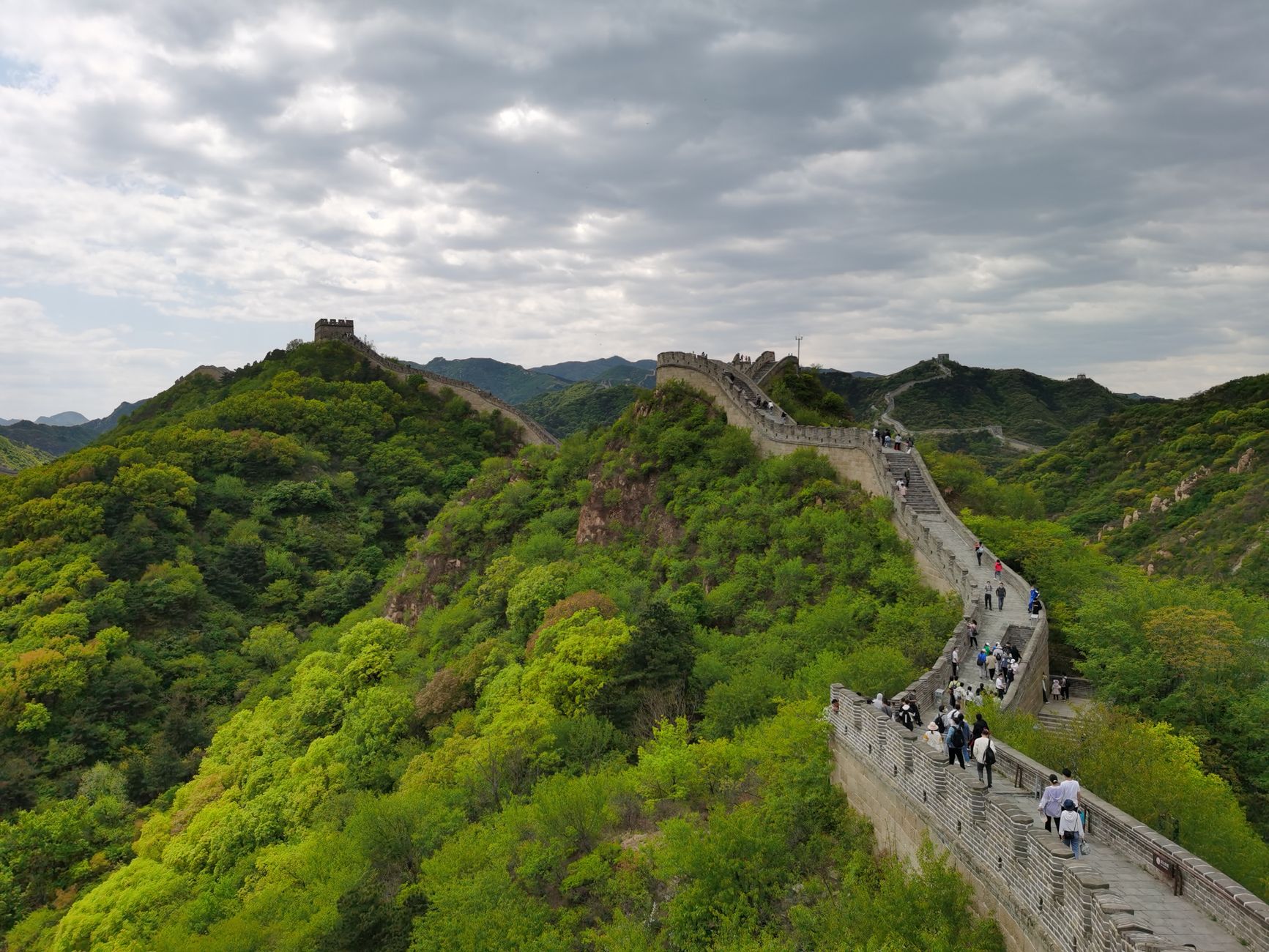
This 3-day Beijing route covers all core first-time sites without 5 a.m. wake-up calls, 2-hour cross-city taxi rides, or overpriced tourist traps, with a typical per-person cost (excluding hotels) of 800–1,200 CNY as of November 2026.
It groups sites by neighborhood to cut transit time to under 45 minutes between most stops, allocates enough time at each location to skip rushed walks, and includes local food spots used by daily residents rather than group tour catering. All entry, transport, and pricing details are current as of November 2026; re-check official booking platforms for last-minute changes before you travel.
Core Pre-Trip Notes For 2026 Travelers
As of November 2026, most major Beijing sites require real-name online booking 1–7 days in advance; same-day tickets are almost never available for the Forbidden City or Mutianyu Great Wall. The closest airport to central Beijing is Beijing Capital International Airport (PEK), with a 30-minute Airport Express train ride to Dongzhimen station for 25 CNY; Beijing Daxing International Airport (PKX) is 45 minutes from the city center via the Daxing Airport Express for 35 CNY. For getting around the city, the Beijing Subway covers nearly all tourist stops for 3–7 CNY per ride, and licensed taxi fares start at 13 CNY for the first 3 km. Avoid unlicensed drivers waiting outside major scenic spots, as they typically charge 3–5 times the metered rate.
As of November 2026, nationals of 50 countries including the United Kingdom, Canada, Australia, and most European Union member states qualify for 30-day visa-free entry to China for tourism purposes. Eligibility rules can change with short notice, so always confirm the latest entry requirements with your nearest Chinese embassy or consulate before booking travel. Most sites require a physical passport or digital passport scan stored on the official booking app for entry; photos of your passport on your phone are usually not accepted.

Day 1: Central Imperial Sites (Tiananmen Square, Forbidden City, Jingshan Park, Wangfujing)
Start at 8:30 a.m. at Tiananmen Square, to avoid the largest midday tour groups. As of November 2026, entry to Tiananmen Square is free but requires a pre-booked time slot, and security checks take 10–20 minutes. Allocate 30 minutes to walk the square before heading north to the Meridian Gate, the only public entrance to the Forbidden City.
Enter the Forbidden City at 9:30 a.m. Standard entry tickets cost 60 CNY in peak season (April–October) and 40 CNY in off-peak (November–March). The site is 72 hectares, so you do not need to walk every side hall; stick to the central axis from the Meridian Gate to the Gate of Divine Prowess, with short detours to the Hall of Central Harmony and the Imperial Garden, to finish in 2.5–3 hours without rushing. Skip the paid audio guides that vendors sell outside the gate; the free official mini-program has accurate English commentary for all major halls.
Exit the Forbidden City through the north Gate of Divine Prowess at 12:30 p.m., cross the street to Jingshan Park. Entry to Jingshan costs 2 CNY, and the 10-minute walk up to Wanchun Pavilion gives you a full elevated view of the Forbidden City’s golden roofline — this is the only spot in the central city where you can see the full symmetrical layout of the imperial complex. Allocate 45 minutes here before walking 10 minutes east to a local restaurant for lunch.
For lunch, try zhajiangmian (fried sauce noodles) or jingjiang rousi (shredded pork in sweet bean sauce) at one of the family-run spots on Jingshan East Street; a full meal costs 30–50 CNY per person. After lunch, walk or take one subway stop south to Wangfujing for a casual afternoon stroll. Skip the crowded snack street marketed to tourists; instead, stop at a local bakery for traditional douzhir (fermented mung bean drink, if you are curious) or wandouhuang (pea flour cake) from a century-old pastry shop. End day 1 by 6 p.m. to avoid rush hour on the subway back to your hotel.
Day 2: Mutianyu Great Wall and Surrounding Hillside Sites
Start at 8 a.m. to get to the Great Wall before the bulk of group buses arrive, which typically pull into parking lots between 10:30 a.m. and 11 a.m. Mutianyu is the best fully restored section for first-time visitors: it is 70 km from central Beijing, has fewer crowds than Badaling, and features a cable car, toboggan run, and well-maintained steps suitable for most fitness levels.
As of November 2026, Mutianyu entry tickets cost 45 CNY per person. Round-trip cable car tickets cost 120 CNY, and the one-way toboggan ride down from the wall costs 100 CNY; you can also hike up the stone steps in 40–50 minutes if you prefer to skip the cable car. Once on the wall, allocate 2.5–3 hours to walk between watchtowers 14 and 20, which is the most scenic stretch with clear views of the wall snaking over forested hills. Bring a 1L bottle of water, as drinks sold on the wall cost 3–4 times the city supermarket price.
Do not book group bus tours that advertise 100 CNY round-trip fares; these usually make 2–3 mandatory stops at jade factories or tea shops that add 2+ hours to your trip. The most reliable public transport option is the direct tourist bus from Dongzhimen Hub, which leaves every 30 minutes between 7 a.m. and 10 a.m. for 30 CNY one-way, dropping you directly at the Mutianyu visitor center. A private car hired through a licensed operator costs 500–600 CNY round-trip for up to 4 people, which is often better value for small groups.
After finishing on the wall, eat lunch at one of the family-run farm restaurants in the village at the base of the cable car, where you can get roasted chestnuts, wild mushroom stir-fry, and local corn cakes for 40–60 CNY per person. If you are back in the city by 4 p.m., you can add a stop at the Olympic Park to see the Bird’s Nest and Water Cube from the outside; entry to the park is free, and there is no need to pay for interior tickets unless you have a specific event to attend.

Day 3: Temple of Heaven, Hutong Neighborhoods, and Local Food
Start at 9 a.m. at the Temple of Heaven, when local residents come out for morning tai chi, calligraphy practice, and group folk dancing. This is a very different experience from visiting midday, when the park is full of tour groups. As of November 2026, a combined entry ticket for the park and all interior halls costs 34 CNY in peak season and 28 CNY in off-peak.

Allocate 2 hours to walk the park: start at the east gate, walk past the circular Altar of Heaven, the Imperial Vault of Heaven (home to the famous Echo Wall), and the Hall of Prayer for Good Harvests, the iconic three-tiered blue-roof building featured on most Beijing travel postcards. Stop to watch locals playing jianzi (shuttlecock) or doing square dances if you want; many will invite visitors to join, no payment required.
After finishing at the Temple of Heaven, take a 15-minute subway ride north to the Nanluoguxiang hutong area, but skip the main commercial pedestrian street itself, which is lined with chain souvenir shops. Instead, turn into the side alleys: walk down Ju’er Hutong to see traditional courtyard homes, stop at a local soy milk shop for a mid-morning snack of youtiao (fried dough stick) and sweet soy milk for 8 CNY, and visit the small, free memorial hall of writer Mao Dun if you are interested in 20th century Chinese literature.
For lunch on day 3, head to a Peking duck restaurant near Andingmen that caters to local diners rather than tour groups. A half duck with all the traditional trimmings (pancakes, cucumber, scallion, sweet bean sauce) costs 120–180 CNY, enough for two people to share. Avoid restaurants that charge less than 80 CNY for a whole duck, as these almost always use low-quality meat and add hidden service fees.
If you have extra time before your evening departure or dinner reservation, you can add a 1-hour stop at the National Museum of China, located on the east side of Tiananmen Square. Entry is free with pre-booking, and the museum has English labels for most core exhibits covering Chinese history from prehistoric times to the modern era. End your trip with a hot pot dinner in the Dongzhimen area, where spicy Sichuan or mild lamb hot pot costs 80–120 CNY per person.
Common Itinerary Mistakes to Avoid
- Trying to visit both the Great Wall and the Summer Palace in the same day: the two sites are 80 km apart, and the drive between them can take 2.5 hours in traffic, leaving you with less than an hour at each location. Save the Summer Palace for a longer trip if you have 4 or more days in Beijing.
- Booking Forbidden City tickets for the afternoon: the site stops allowing entry 1 hour before closing, and light for photos is much harsher in the mid-afternoon. Morning entry slots between 9 a.m. and 10 a.m. are the most reliable.
- Paying for rickshaw tours in the hutongs from street vendors: these often charge 300 CNY or more for a 10-minute ride, and many take you to forced stop souvenir shops. If you want a rickshaw ride, book through your hotel or a licensed operator for a fixed price of 150 CNY per hour, with no mandatory stops.
- Waiting to buy water or snacks once inside major scenic spots: a bottle of water that costs 2 CNY in a city supermarket will cost 10–15 CNY inside the Forbidden City or on the Great Wall. Stock up at a convenience store before you leave for the day.
Frequently Asked Questions
How much money do I need for 3 days in Beijing?
As of November 2026, budget travelers can expect to spend 700–1,000 CNY per person for 3 days, excluding hotel and intercity transport costs, if you use public transit, eat at local restaurants, and pay standard entry fees. Mid-range travelers who take private cars to the Great Wall and eat at sit-down restaurants for most meals can expect to spend 1,200–1,800 CNY per person, excluding hotels. Hotel costs vary widely, but a 3-star centrally located hotel room near a subway stop costs 400–700 CNY per night as of 2026.
Is 3 days in Beijing enough to see the main sites?
Three days is enough to see the core iconic sites for first-time visitors: the Forbidden City, a well-preserved section of the Great Wall, Temple of Heaven, and a sample of local hutong life. It is not enough to cover every museum, temple, and suburban site; if you want to visit the Summer Palace, Ming Tombs, or 798 Art District, you will need a 4th or 5th day.
Which section of the Great Wall is best for a 3-day trip?
Mutianyu is the best choice for most short-stay travelers, due to its shorter transit time from central Beijing, lower crowd levels compared to Badaling, and accessible facilities for all fitness levels. Badaling is closer but draws 2–3 times more visitors on weekends, and Jinshanling requires a 2.5-hour one-way drive, making it a poor fit for a tight 3-day schedule.
Do I need a tour guide for 3 days in Beijing?
You can navigate the core route independently if you book tickets in advance and use the subway, but a local guide can cut down on time spent waiting in lines, explain historical context at imperial sites, and help order food at restaurants with no English menus. HXXC Travel can arrange private, no-shopping 3-day Beijing tours with English-speaking guides, with transparent pricing that includes all entry fees and transport.
What is the best time of year to visit Beijing for a 3-day trip?
Late September to early November, and late March to early May, have the most mild weather, with temperatures between 10–22 C and lower smog levels than mid-winter or mid-summer. Summer (June to August) is hot and rainy, with temperatures regularly above 32 C, and winter (December to February) is cold, with temperatures often dropping below -5 C, though entry tickets are cheaper and crowds are smaller.
Related private tours
- Best Of China — 20-Day Private Tour — 20 days
- Classic China Tour - 13 Days — 13 days · From US$2,050
- Golden Triangle — Beijing, Xi'an & Shanghai — 10 days · From US$1,000