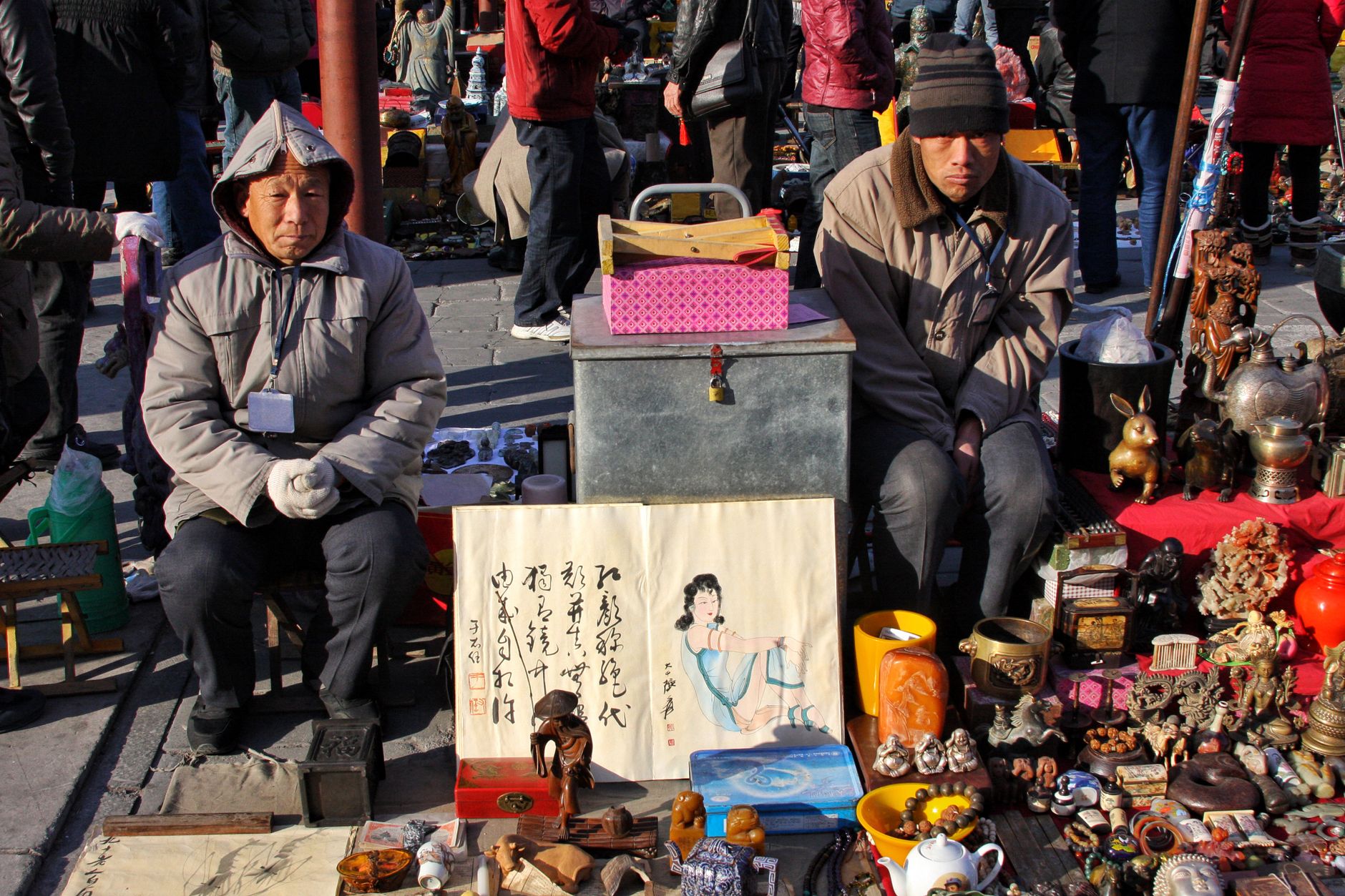
As of November 2026, bargaining is fully expected at open-air street markets, small independent souvenir stalls, and private off-meter taxi rides, while all chain stores, supermarkets, official scenic spot ticket offices, and restaurants with printed menu pricing have fixed non-negotiable prices. This guide draws on 11 years of guest feedback from HXXC Travel tours operating across 27 Chinese provinces, to help you navigate local norms without overpaying or causing unintended offense.
When Bargaining In China Is Fully Expected
Bargaining is a standard, expected practice in all locations where no fixed price tags are displayed, and the vendor owns their small independent stall with no corporate pricing rules to follow. Most local residents in these spaces negotiate as a regular part of shopping, so you will not stand out as a tourist for haggling.
Open-Air Souvenir and Wet Markets
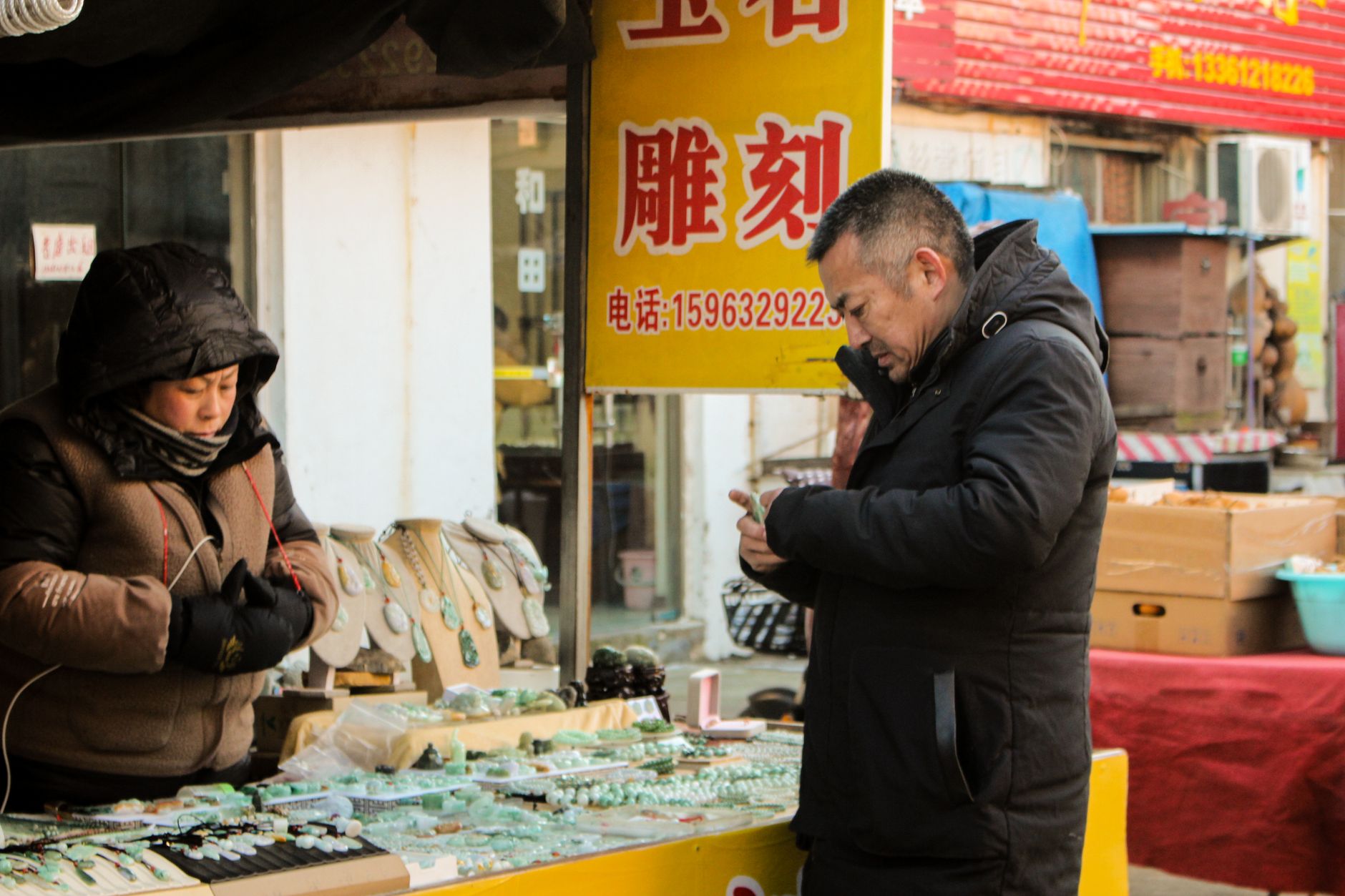
All large tourist markets across China have fully negotiable pricing. Common locations include Xi'an Muslim Quarter craft stalls, Chengdu Songxianqiao Antique Market, Yangshuo West Street souvenir stalls, and Beijing Dazhalan traditional goods market. Most vendors mark up mass-produced tourist items by 2 to 3 times their actual wholesale price, so there is significant room to negotiate. Local visitors typically haggle for 10 to 15 minutes for higher value items such as hand-carved jade pieces or custom calligraphy scrolls.
Small neighborhood wet markets selling fresh fruit, vegetables, and seafood also allow negotiation. Most vendors will knock 1 to 2 yuan off the total cost if you are buying 5 or more items, or if you are a regular customer.
Independent Unlicensed Transport and Day Trips
If you flag down a private taxi that refuses to use its meter, or a street vendor offering unbranded day tours to nearby attractions, all prices are fully negotiable. For example, a driver outside Guilin Railway Station might quote 300 yuan for a half day trip to the Reed Flute Cave, and you can agree on a 180 to 220 yuan final price after 2 rounds of negotiation.
Places Where You Should Never Bargain
These locations have strictly fixed prices enforced by corporate policy or local government rules, and attempting to negotiate will not get you a discount, and may confuse or irritate staff.
All Fixed-Price Retail Outlets
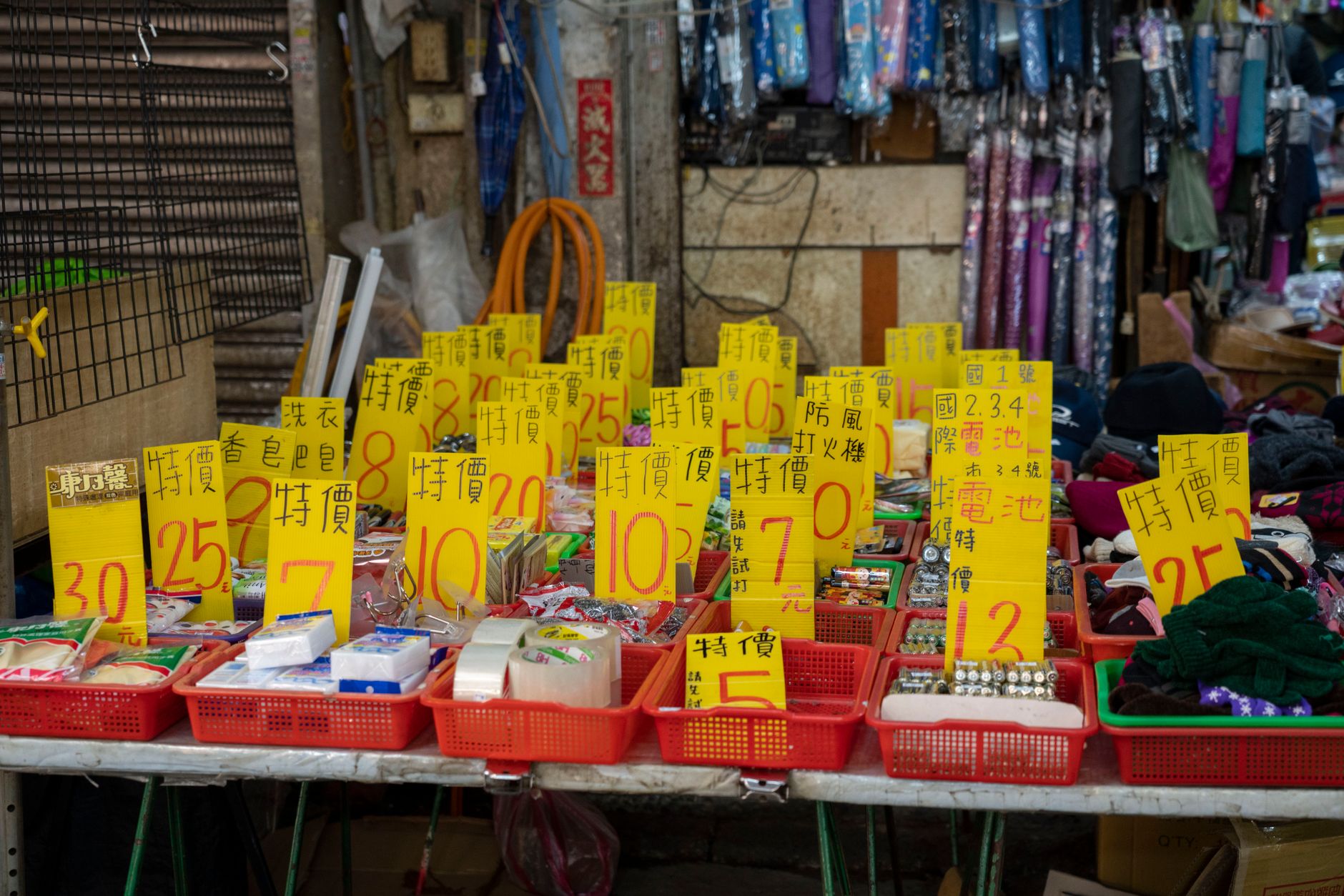
Every chain store, supermarket, and branded shop in China uses non-negotiable pricing. This includes 7-Eleven, Miniso, Heytea, Starbucks, official museum gift shops, and all clothing chain locations. Even if you buy 10 of the same item, staff are not authorized to adjust the price marked on the tag. Many stores have signs near the checkout stating no bargaining is allowed to avoid any confusion.
Scenic Spots and Public Services
All official ticket offices for national parks, historical sites, high speed railway services, city buses, intercity buses, and public hospitals have publicly published prices that cannot be adjusted. The October 2026 entry fee for Zhangjiajie National Forest Park is 225 yuan for a 4-day pass, and no visitor, local or foreign, can get a discounted rate by asking at the gate.
Food Outlets With Visible Printed Pricing
If a restaurant, noodle stall, or street food cart has printed prices on a menu or sign posted clearly for customers to see, all prices are fixed. Even small jianbing pancake stalls with handwritten price lists will not negotiate, as the margins on 5 to 10 yuan food items are already less than 2 yuan per serving.
2026 Updated Bargaining Etiquette For Foreign Visitors
Following these simple unwritten rules will make the bargaining process smooth for both you and the vendor, and prevent any awkward misunderstandings.
Core Unwritten Rules
- Do not start bargaining if you have no actual intention to buy the item. Vendors spend 10 to 15 minutes negotiating with you under the assumption that you will complete the purchase if you reach an agreed price.
- Keep your tone friendly and casual, no raised voices or aggressive demands. Bargaining is treated as a lighthearted game in most markets, not a competitive contest.
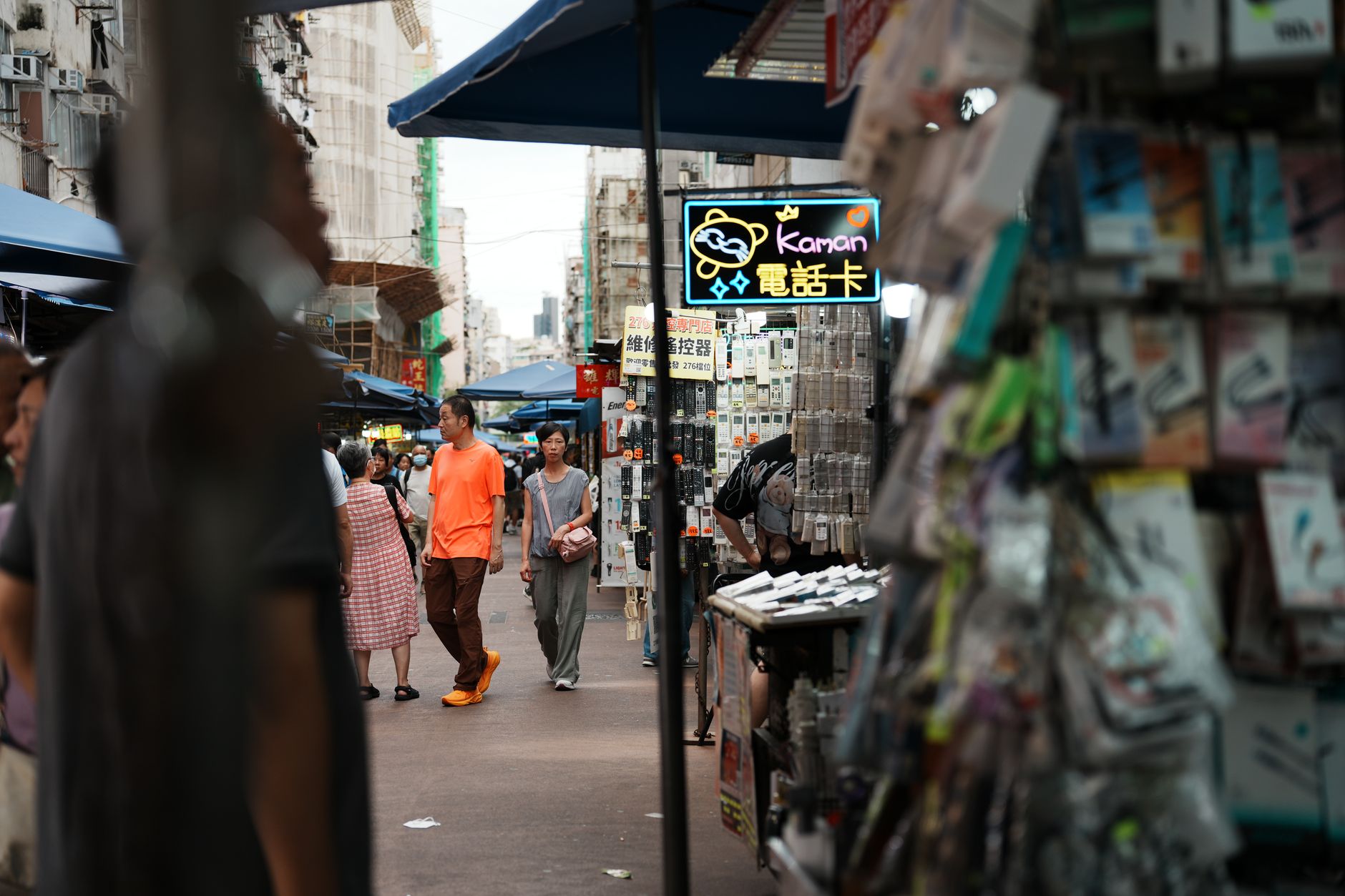
- Use your phone calculator to type numbers if you do not speak Mandarin. This removes almost all miscommunication, and works even if the vendor speaks no English at all.
- Once you and the vendor have agreed on a final price, you are expected to buy the item. Walking away after agreeing on a price is considered a major breach of local etiquette.
Typical Fair Discount Ranges By Item Type
These are the standard ranges most local residents use as of November 2026, so you will not pay more than local customers:
- Mass produced souvenirs including fridge magnets, silk scarves, printed t-shirts, and mass produced teacups: 30 to 50% off the initial asking price
- Handmade items including custom calligraphy, hand carved wood crafts, hand painted porcelain, and hand woven textiles: 10 to 25% off the initial asking price
- Private unlicensed day tour and off-meter taxi quotes: 20 to 40% off the initial asking price
If you book a private custom tour with HXXC Travel, your local guide will handle all bargaining on your behalf for any market visits, if you prefer not to negotiate yourself. All our guides are trained to secure the same local prices that Chinese visitors pay, with no added markup.
Common Mistakes First-Time Travelers Make
Based on guest feedback from over 7,000 international visitors in 2026, these are the most frequent mistakes people make when bargaining for the first time in China.
The most common error is attempting to negotiate at a 7-Eleven or other convenience store. More than 30% of our first-time guests report trying to knock a few yuan off a 20 yuan snack purchase, which leaves staff very confused as they have no ability to change the price at all.
The second common mistake is offering 10% of the asking price for a handmade art or craft item. This is widely seen as mocking the time and labor the artisan spent making the product, and most vendors will stop talking to you immediately.
The third mistake is referencing a lower price a different vendor offered, in a loud public space. This can spark arguments between different stall owners on the same street, and is considered impolite.
All rules outlined in this guide are current as of November 2026. Local norms can shift slightly for seasonal holiday periods, so we recommend checking with your accommodation front desk or tour guide for local specific rules before you visit a new market.
FAQ
Do you bargain in supermarkets in China?
No, all supermarkets in China have strictly fixed prices, and no staff will agree to negotiate, even if you buy a large bulk of items. As of November 2026, even small independent neighborhood grocery stores have printed price tags that are non-negotiable.
Is it rude to bargain in China?
It is not rude in locations where bargaining is the local norm, as long as you follow the etiquette rules outlined above. It is only rude if you attempt to negotiate for fixed-price goods, or agree on a price then refuse to buy the item.
How much should I offer first when bargaining in a Chinese market?
For mass produced tourist souvenirs, start at 50% of the initial asking price. For handmade or unique items, start at 70% of the asking price. This gives both sides room to reach a fair midpoint that works for both you and the vendor.
Can I bargain for a hotel room rate in China?
For small independent family hostels and unbooked last minute stays at 2-star or below guesthouses, you can usually negotiate a 10 to 15% discount if you are staying 3 nights or more. All chain hotels and 4/5 star properties have fixed pre-set rates that do not allow any negotiation.
Related private tours
- Southern Scenery — Guilin, Yangshuo & Dragon's Backbone — 6 days · From US$450
- Grand China Explorer — 15 Days — 15 days · From US$1,500
- Best Tour In China - 19 Days Trip — 19 days · From US$2,896