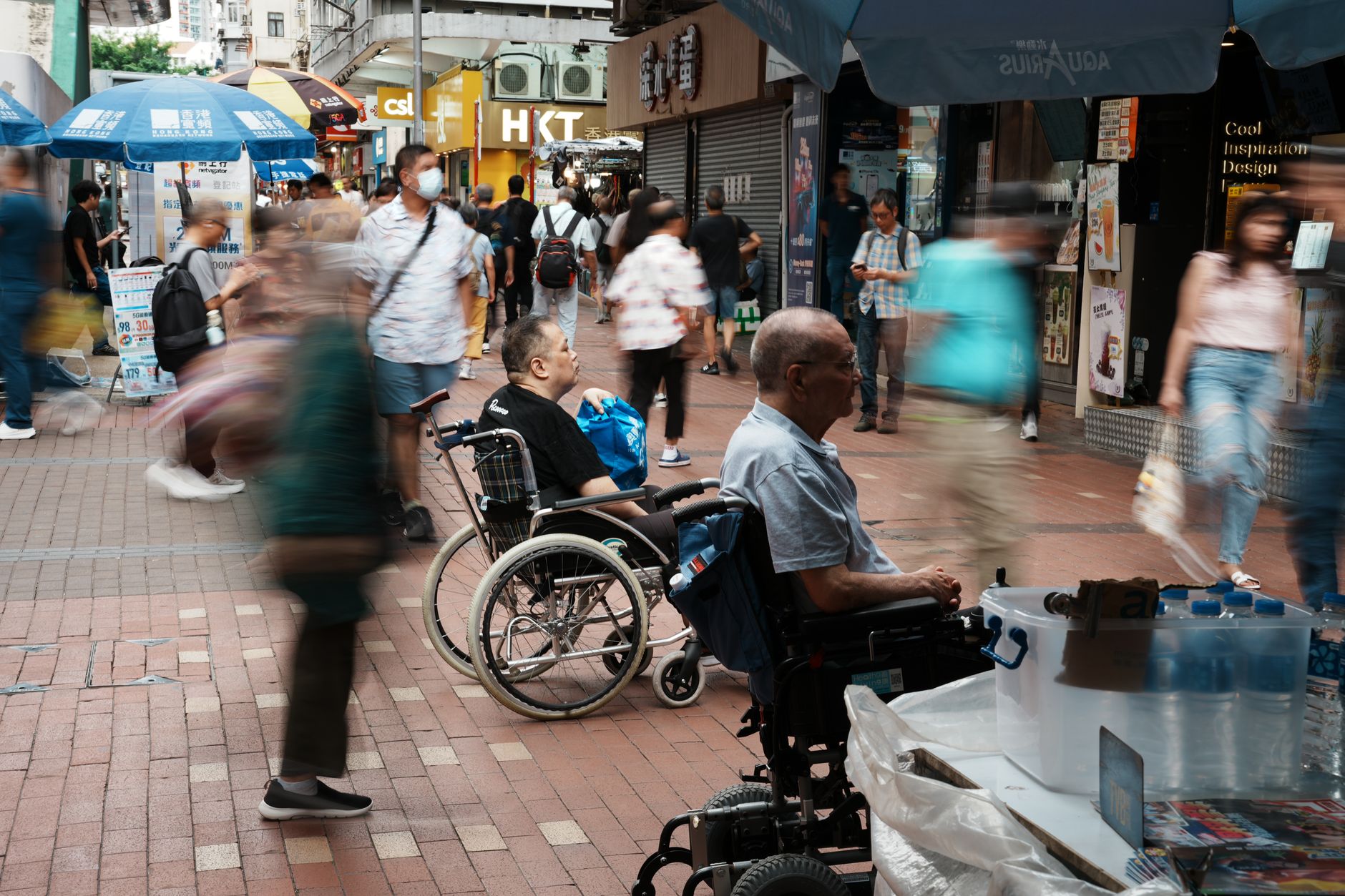
Travelling to China with limited mobility is fully achievable for most international visitors in 2026, though accessibility standards vary widely between major tier-1 cities, smaller heritage sites, and rural destinations. As of November 2026, all high-speed rail stations, new metro lines, and top tier-1 city attractions offer step-free access, while older sites and smaller towns often have partial or no accessible infrastructure. HXXC Travel recommends pre-booking accessible support at least 72 hours in advance for all intercity transport and major attraction visits to avoid delays.
Key facts at a glance
- China’s newer high-speed rail stations and most major-city metro systems have step-free access, though older stations and smaller cities lag behind — confirm with the operator before you rely on it.
- Visa-free entry for eligible passport holders allows stays of 30 days, or up to 240 hours for transit, depending on nationality, with no special accessibility-related visa requirements.
- Most international chain hotels in tier-1 cities (Beijing, Shanghai, Guangzhou, Shenzhen) have dedicated accessible guest rooms with roll-in showers and grab bars; budget domestic hotels rarely meet international accessibility standards.
- Popular accessible major attractions include the Forbidden City (Beijing), Shanghai Bund, Terracotta Warriors (Xi’an, accessible route opened 2025), Chengdu Research Base of Giant Panda Breeding, and Gulangyu Island (Xiamen, accessible ferry routes).
- Pre-booked accessibility support (ramp access, wheelchair loans, priority boarding) for rail and air travel is free of charge, but requires advance notice of 24–72 hours depending on the operator.
- Accessible ride-hailing vehicles are available in 31 major Chinese cities via the Didi app, with wait times typically ranging from 5–20 minutes in central urban areas.
- Always re-check accessibility policies and transport support options 3–7 days before travel, as infrastructure and booking rules are updated regularly.
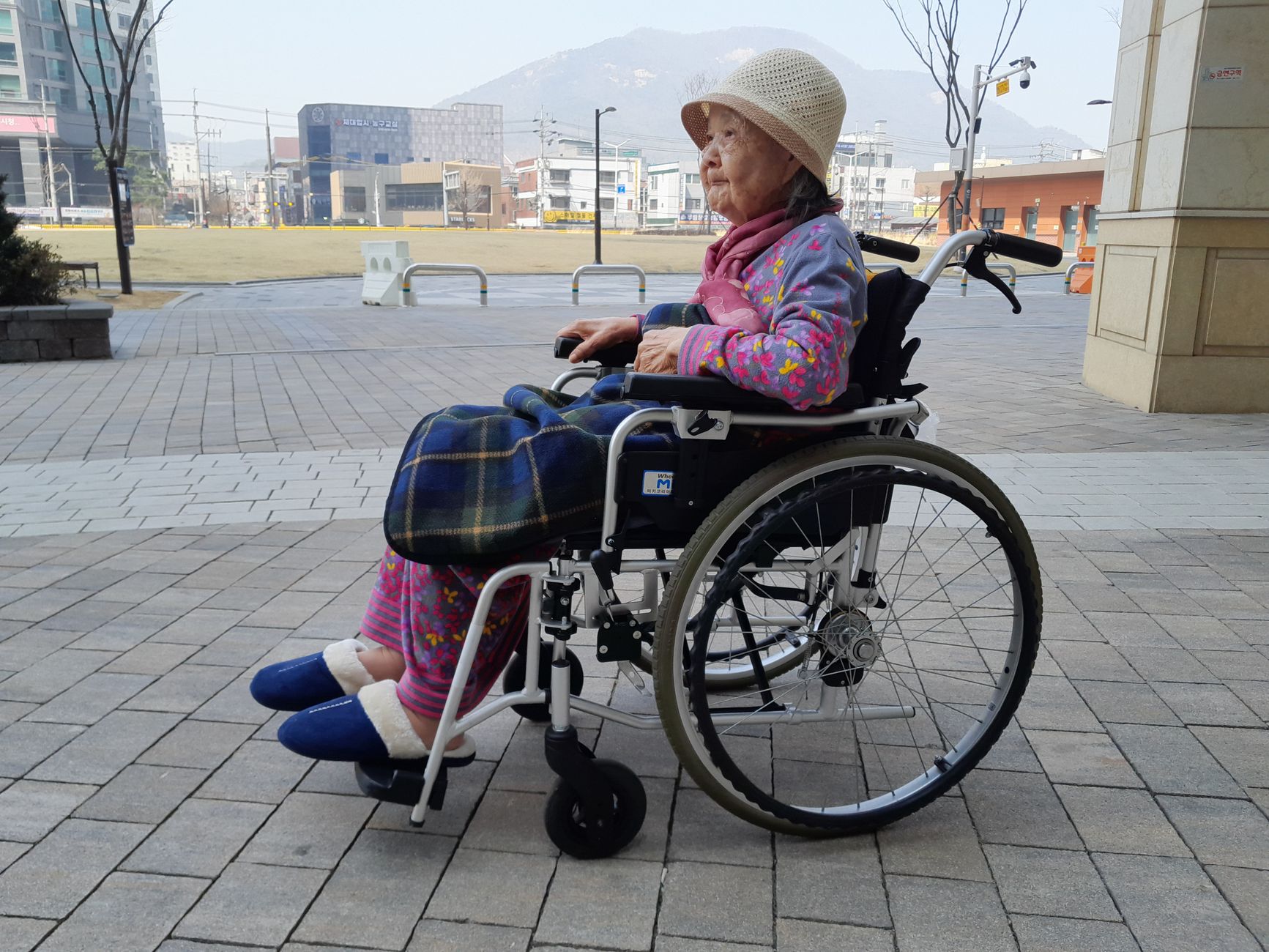
Accessibility standards by destination type
Tier-1 and major tourist cities
Major tier-1 cities and established tourist hubs including Beijing, Shanghai, Guangzhou, Shenzhen, Chengdu, and Xi’an have invested heavily in accessible infrastructure over the past 15 years, particularly ahead of major international events. All metro lines built after 2010 have elevators at every entrance, tactile paving for low-vision travellers, and marked priority seating near train doors. Older metro stations built before 2008 may have elevators that require staff to unlock, so look for the blue wheelchair symbol at main station entrances to locate step-free access; side entrances often lack elevators entirely. Sidewalks in central business and tourist districts have standard curb cuts, though some older residential neighbourhoods have uneven paving, and curb cuts may be temporarily blocked by shared bikes or street vendors. Accessible public restrooms are available at all metro stations, public parks, and large shopping malls in these areas.
Heritage and rural sites
Many older heritage sites, particularly those built on sloped terrain or with historic stone construction, have partial rather than full accessibility. A growing number of sites have added dedicated accessible routes in response to national tourism accessibility guidelines released in 2023, but large sections of these sites may remain closed to visitors with limited mobility. For example, many sections of the Great Wall have steep stone steps with no ramps, even at locations with cable car access. Rural destinations outside established tourist routes rarely have paved sidewalks, accessible restrooms, or step-free entry to local shops and restaurants, so independent travel in these areas is not recommended for travellers with significant mobility limitations. As a Jiangmen-based operator, HXXC Travel regularly runs accessible itineraries to the nearby Kaiping Diaolou heritage sites, which have paved accessible paths and ramp access to 7 of the 12 open diaolou towers as of 2026.

Transport accessibility for limited mobility travellers
Air travel
All major Chinese international airports (Beijing Capital, Beijing Daxing, Shanghai Pudong, Guangzhou Baiyun, Chengdu Tianfu) offer free wheelchair assistance, priority security lanes, and step-free boarding for passengers who request support at the time of booking or at least 24 hours before departure. All terminals have fully accessible restrooms, and most gates use air bridges for step-free boarding; for remote stand gates, staff can provide ramp access to aircraft on request. Smaller regional airports may have a limited supply of wheelchairs and fewer dedicated accessibility staff, so advance booking is mandatory for travel to secondary cities. Power wheelchairs with sealed non-spillable batteries are accepted on all domestic flights without additional fees, though batteries over 300Wh may require advance approval from the airline.
High-speed rail
As of November 2026, every high-speed rail station in mainland China has at least one step-free entrance, accessible ticket counter, priority boarding lane, and elevator access to platforms. All Fuxing-series high-speed trains have dedicated wheelchair spaces with securement straps, located in car 5 for 8-car trains and car 9 for 16-car trains, adjacent to an accessible restroom with grab bars and sufficient turning space for a standard power wheelchair. Free station assistance, including staff support to navigate the station, help with luggage, and a portable ramp to board the train, is available if requested at least 72 hours in advance via the 12306 railway customer service line or through a local travel operator. Older conventional speed trains rarely have accessible restrooms or dedicated wheelchair spaces, so HXXC Travel recommends only booking high-speed rail services for travellers with limited mobility.

Urban public transport and ride-hailing
Metro systems in tier-1 cities offer step-free access at over 90% of stations, though elevator access at older stations may require a short wait for staff to unlock entry. Most city bus routes have priority seating for passengers with limited mobility, but very few buses have ramps or wheelchair securement areas, making them unsuitable for travellers using manual or power wheelchairs. For point-to-point urban travel, the Didi ride-hailing app offers an “Accessible Vehicle” option in 31 major cities as of 2026, with ramp-equipped vehicles that can accommodate most power and manual wheelchairs. Fares for accessible Didi rides match standard sedan fares with no surcharge; average wait times are 8 minutes in central city areas, and up to 20 minutes in suburban districts. Standard street-hailed taxis rarely have accessible modifications, so they are not a reliable option for wheelchair users.
Attraction and accommodation access
Most top-tier tourist attractions have introduced accessible routes in line with 2023 national tourism guidelines. Key access details for the most popular international visitor sites as of November 2026 include:
- The Forbidden City in Beijing has a step-free central route from the Meridian Gate to the Hall of Supreme Harmony, with free wheelchair loans at the visitor centre and accessible restrooms every 200 metres along the route. Side courtyards have stone steps with no ramps, so travellers with limited mobility will be restricted to the central axis path.
- The Terracotta Warriors Museum in Xi’an opened a fully accessible circular route around Pit 1 in 2025, with ramp access, elevator access to all elevated viewing platforms, and free wheelchair loans. Prior to 2025, only partial access was available to the main pit.
- The Chengdu Research Base of Giant Panda Breeding has fully paved, step-free paths across 80% of the site, with accessible shuttle buses between enclosures and level viewing platforms at the most popular panda habitats.
- The Shanghai Bund is fully step-free along the entire 1.7km riverside promenade, with curb cuts at every road crossing and accessible restrooms every 500 metres.
Many attractions offer free or discounted entry for travellers with a documented mobility disability, plus one free companion ticket. An English-language disability ID card from your home country or a simple doctor’s note outlining your mobility needs is usually sufficient to claim this discount, though requirements vary by site.
For accommodation, international chain hotels (Marriott, Hilton, InterContinental, Hyatt) across all major tourist cities offer dedicated accessible rooms with 36-inch wide doorways, roll-in showers with grab bars, lowered fixtures, and visual fire alarms as of November 2026. These rooms are priced the same as standard rooms in the same tier, but have limited inventory, so booking 4–6 weeks in advance is recommended. Domestic 3-star and budget hotel chains (Home Inn, Hanting) rarely have fully accessible rooms; many have step-free lobby access, but guest rooms have narrow doorways, high shower thresholds, and no grab bars. Boutique guesthouses and homestays in historic old towns or rural areas almost never meet international accessibility standards, as they are often housed in heritage buildings with no elevators and narrow staircases.
Practical planning tips for limited mobility travel in China
This guide was written and reviewed by the HXXC Travel in-house destination team, based in Jiangmen, Guangdong, as of October 23, 2026. Our team has planned and operated over 420 accessible itineraries for international travellers with limited mobility since 2014, covering destinations including Beijing, Xi’an, Chengdu, Guangdong, and Shanghai. Use these practical tips to reduce barriers during your trip:
- Book all support in advance: Rail, air, and major attraction accessibility support is free, but requires 24–72 hours advance notice. Working with a local inbound operator like HXXC Travel removes language barriers for these bookings, as most railway and attraction support lines only offer Mandarin service.
- Carry spare parts and documentation: Power wheelchair users should carry a spare battery and basic repair tools, as dedicated wheelchair repair shops are rare outside major cities. Bring a printed copy of a doctor’s note outlining your mobility needs to claim priority entry, ticket discounts, and support at sites.
- Plan restroom stops strategically: Accessible public restrooms are widely available in metro stations, high-speed rail stations, and major attractions, but are rare in small restaurants, older neighbourhoods, and rural areas. Plan routes to stop at major transport hubs or large shopping malls for rest breaks, as these almost always have well-maintained accessible facilities.
- Avoid peak travel periods: During national public holidays (Spring Festival, the first week of October for National Day), wait times for accessible support, accessible ride-hailing vehicles, and priority entry can increase 3–4 times baseline levels. Plan travel outside these peak windows if possible.
- Confirm details 72 hours before travel: Accessibility infrastructure and booking rules are updated regularly, so re-confirm all accessible transport bookings, hotel room assignments, and attraction access arrangements three days before your trip.
Frequently asked questions
How long can I stay in China visa-free?
As of November 2026, eligible passport holders from 50 countries (including the United Kingdom, Canada, Australia, and all EU member states) can stay in China visa-free for up to 30 days for tourism, business, or family visits. Travellers transiting through eligible ports of entry can stay for up to 240 hours without a visa, within the permitted transit area. There are no additional eligibility requirements for travellers with limited mobility to access visa-free entry. Always re-check the latest visa policy on the official Chinese embassy website for your nationality before booking travel, as the list of eligible countries and stay durations changes periodically.
Do I need to provide medical proof of my mobility condition to access support in China?
For most transport and attraction accessibility services, you do not need to provide formal medical proof to request wheelchair loans, priority boarding, or step-free access. For discounted or free entry for disabled visitors, most sites will accept a government-issued disability ID from your home country, or a simple doctor’s note outlining your mobility limitation. You do not need to disclose specific medical details to access standard accessible facilities.
Are mobility aids like wheelchairs and walkers allowed on Chinese public transport?
Manual wheelchairs, folding walkers, and power wheelchairs with sealed, non-spillable batteries are allowed on all high-speed trains, metro systems, and domestic flights in China, with no additional baggage fees. Power wheelchairs with lithium batteries over 300Wh may require advance approval from the airline for air travel, but are permitted on rail and metro services without restrictions. Most major stations and airports offer free manual wheelchair loans for travellers who do not bring their own, though supply is limited at smaller regional locations.
How accessible is the Great Wall for visitors with limited mobility?
As of November 2026, the Mutianyu section of the Great Wall is the most accessible for visitors with limited mobility, with a step-free cable car that travels to a flat, paved section of the wall with ramp access and wide, level walkways stretching approximately 200 metres. The Badaling section has a cable car and limited ramp access, but most of the wall path has steep, uneven steps. Remote sections like Jiankou, western Simatai, and Jinshanling have no accessible routes, with steep, unmodified stone steps and no ramp access. HXXC Travel recommends the Mutianyu section for all travellers with limited mobility who wish to visit the Great Wall.
Related private tours
- Best Of China — 20-Day Private Tour — 20 days
- Best of China — 19-Day Private Tour — 19 days · From US$2,450
- Grand China Explorer — 15 Days — 15 days · From US$1,500