
Quick answer: 3 nights in Shanghai, 2 in Hangzhou, 3 in Chengdu, linked by one high-speed train and one short flight. Every day starts after 9:30 am except one soft 8:00 am start for the pandas.
Why this route works if you hate early mornings
China's classic first-timer loop — Beijing, Xi'an, Shanghai — is built around 7 am coach departures and dawn queues. This route flips the schedule. Shanghai, Hangzhou and Chengdu are evening cities: the Bund looks its best after dark, West Lake peaks at sunset, and Chengdu runs on tea-house time. Museums open around 9 am, temples are calm at 10, and the food streets don't get going until night. The advisors at HXXC Travel, an inbound operator based in Jiangmen, Guangdong, shaped this pacing after watching first-time visitors burn out on dawn starts by day four.
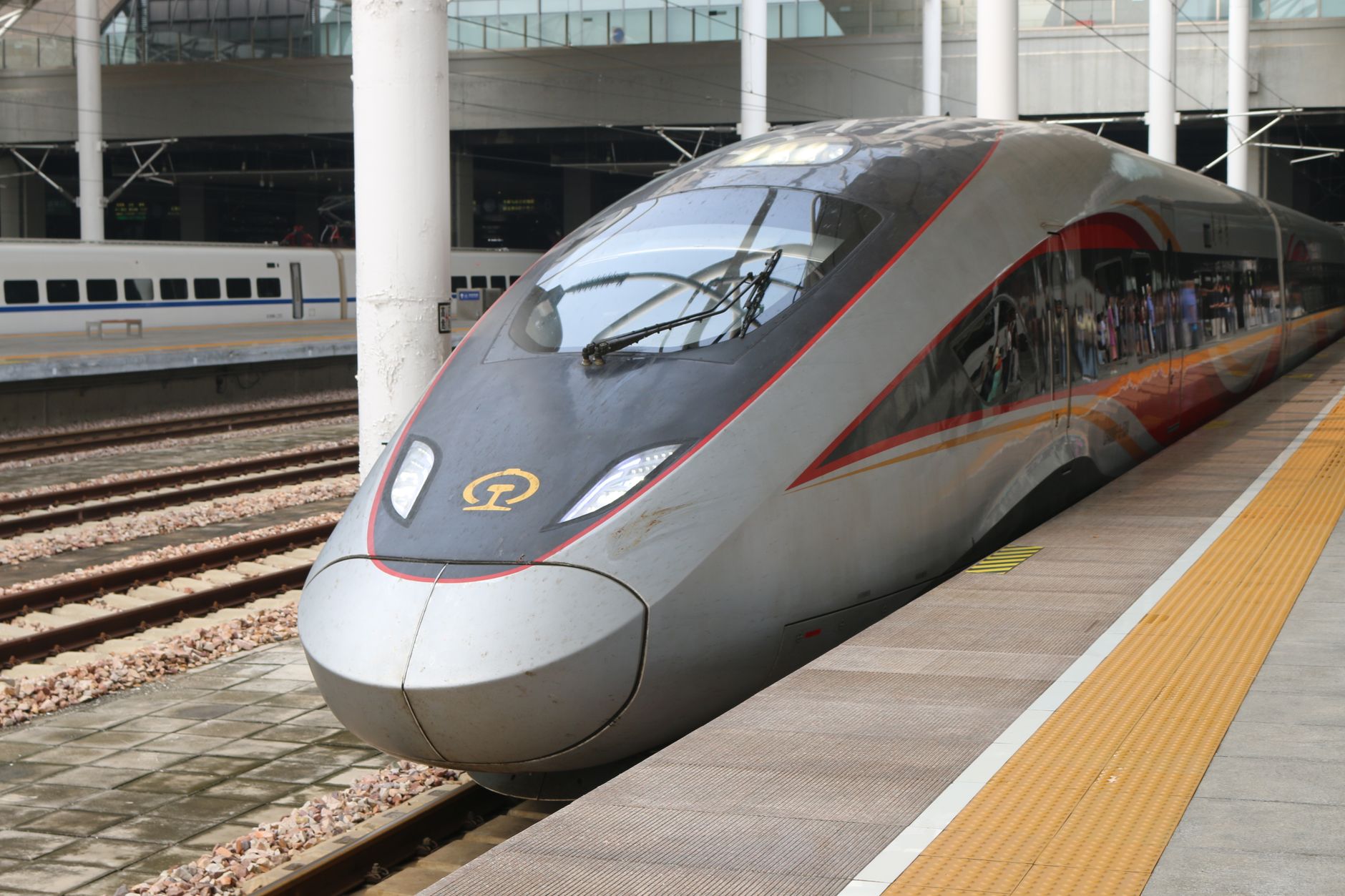
The route at a glance
- Days 1-3: Shanghai, 3 nights
- Days 4-5: Hangzhou and West Lake, 2 nights
- Days 6-8: Chengdu, 3 nights
- Day 9: fly home from Chengdu
- Internal transport: one high-speed train (about 1 hour) and one domestic flight (2.5-3 hours)
- Alarms required in total: one
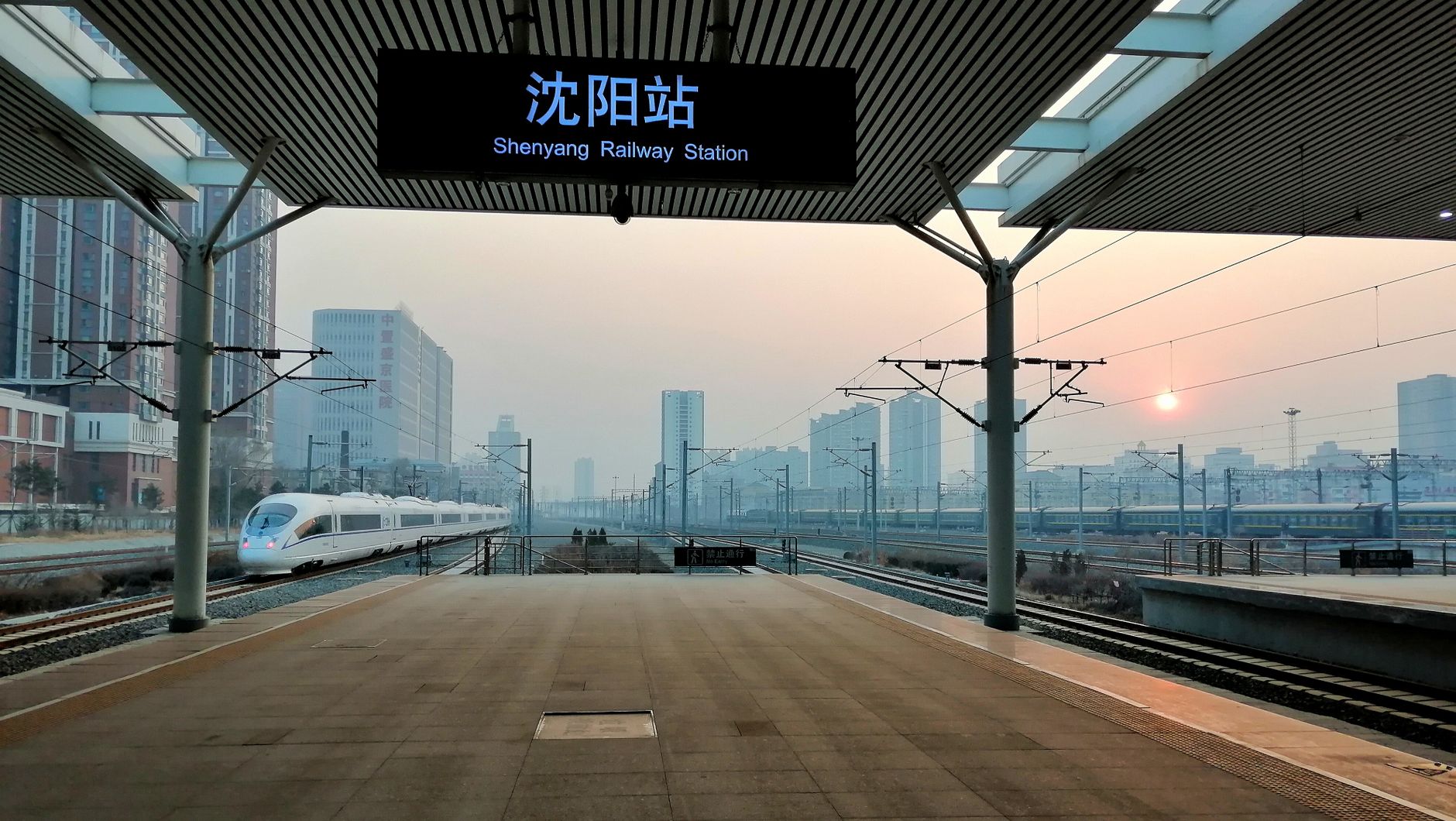
Days 1-3: Shanghai at your own pace
Land whenever your flight arrives — nothing is scheduled on day 1 beyond dinner. Walk Nanjing Road east to the Bund around sunset, when the Pudong skyline switches on across the river, then add a Huangpu river night cruise; boats run until roughly 9-10 pm and standard tickets cost around ¥120-160.
Day 2 begins at a civilised hour. Yu Garden and the surrounding old city open at 9 am, so aim for 9:30 (garden entry is roughly ¥30-40). Spend the afternoon in the former French Concession — Wukang Road, plane-tree streets and coffee shops that could pass for Melbourne or Portland. If you want a museum, the Shanghai Museum East branch in Pudong is free but requires a passport reservation made a few days ahead; as of November 2026, same-day slots appear on quieter weekdays but don't count on them.
Day 3 is a choice. Zhujiajiao, a centuries-old canal town, is under 90 minutes from the centre on Metro Line 17 (change at Hongqiao Railway Station) and is pleasant in the afternoon once the morning tour groups have left. Alternatively, ride to the Top of Shanghai observation deck on the 118th floor of the 632-metre Shanghai Tower — around ¥180 — and keep the evening free for soup dumplings near Yuyuan.
Days 4-5: Hangzhou and West Lake
Check out late on day 4 and take a G-series high-speed train from Shanghai Hongqiao to Hangzhou East: 45-60 minutes, second class around ¥73-90, with departures every few minutes all day. Drop your bags and reach West Lake by mid-afternoon. The lake is free and open around the clock; a boat to the Three Pools Mirroring the Moon island runs about ¥55-85. Evening belongs to Hefang Street, Hangzhou's old commercial lane, where West Lake vinegar fish and beggar's chicken need no reservation.
Day 5 is the slowest day of the trip. Take a taxi to Lingyin Temple around 10 am — you'll need a Feilai Peak scenic-area ticket (about ¥45) plus temple entry (about ¥30) — and give the 1,000-year-old Buddhist rock carvings a proper hour. After lunch, a 20-minute ride brings you to Longjing village, where Dragon Well tea is grown; most family tea houses pour tasting after tasting for the price of a tin. In the evening, check whether the free light show over the Qianjiang New Town towers is running — as of November 2026 it typically plays on weekend evenings, but the schedule changes, so confirm locally.
Days 6-8: Chengdu, China's slowest big city

Fly Hangzhou Xiaoshan (HGH) to Chengdu (Tianfu TFU or Shuangliu CTU) around midday on day 6 — the flight takes 2.5-3 hours and one-way fares typically run ¥400-900. By evening you're in Kuanzhai Alleys, three restored lanes of teahouses and snack stalls, before your first Sichuan hotpot. Order the yuanyang divided pot: half spicy, half clear broth, for self-defence.
Day 7 is the one morning that justifies an alarm. At the Chengdu Research Base of Giant Panda Breeding, pandas are most active between roughly 8:00 and 10:30, when keepers hand out fresh bamboo; after that they mostly sleep. Gates open at 7:30, entry is about ¥55, and leaving your hotel at 8:00 puts you there for the good hours — a taxi from the centre takes 30-40 minutes, or ride Metro Line 3 to Panda Avenue station and connect onward. If you genuinely refuse, arrive at 11:00 and accept a lot of sleeping bears, or visit between December and February, when cool weather keeps pandas moving later. Spend the afternoon in People's Park, where the century-old Heming Teahouse charges about ¥20-40 for a pot with endless refills and offers the local ear-cleaning ritual for the brave.
Day 8 stays in the city. Wuhou Shrine and the adjacent Jinli street fill a relaxed morning, lunch is mapo tofu or dan dan noodles, and the evening is Sichuan opera: the Shufeng Yayun Teahouse near People's Park runs face-changing shows around 8 pm, with tickets from roughly ¥150 to ¥350 depending on the seat.
Day 9: fly home
Chengdu's two airports — Tianfu (TFU) and Shuangliu (CTU) — have direct international flights to hubs including Hong Kong, Singapore, Bangkok and Tokyo, plus frequent one-stop connections through Guangzhou, Shanghai and Shenzhen. The cleanest option is an open-jaw international ticket: arrive at Shanghai Pudong, depart from Chengdu, no backtracking. Book an afternoon flight and you'll still have time for one last bowl of chao shou wontons.
Trains, flights and getting around
- Rail tickets: the official 12306 app accepts foreign passports and international payment cards, and presale opens about 15 days before departure (as of November 2026). Trip.com sells the same seats in English.
- Flights: Hangzhou-Chengdu has dozens of daily departures on China Eastern, Air China, Sichuan Airlines and others.
- Metro: all three cities have extensive systems with English signage; an Alipay transit QR code covers rides in each.
- Taxis: Didi, available inside Alipay's international version, removes the language barrier.
What nine days typically costs
Prices below were current as of November 2026 and shift with season. Per person, excluding international flights:
- Hotels: ¥350-700 per night for a double (about US$50-100), 8 nights
- Food: ¥80-200 per day eating well — Sichuan and Hangzhou food is inexpensive
- Train Shanghai-Hangzhou: about ¥73-90 in second class
- Flight Hangzhou-Chengdu: typically ¥400-900 one way
- Entries and shows: panda base about ¥55, Lingyin about ¥75 combined, Shanghai Tower about ¥180, river cruise ¥120-160, opera show ¥150-350
Total: roughly US$1,100-1,800 per person depending on hotel standard and flight timing. Late March-May and September-November keep both prices and crowds manageable.
Visas, payments and booking, as of November 2026
Entry rules have loosened considerably. As of November 2026, citizens of dozens of countries — most of Western Europe, Australia, New Zealand, Malaysia, plus a growing list in Latin America and the Gulf — can enter China visa-free for up to 30 days. Many other nationalities, including the US, UK and Canada, can use the 240-hour visa-free transit scheme, which suits travellers whose onward destination differs from their arrival origin — for example, flying into Shanghai from London and out of Chengdu to Hong Kong or Singapore. These policies have changed several times in recent years, so re-check your nationality's current status with the Chinese embassy at home, or ask us at HXXC Travel, before booking anything.
For payments, Alipay and WeChat Pay both accept foreign Visa and Mastercard, and you'll rarely need cash — though ¥200 in notes is a sensible backup. Your passport works as ID at hotels, rail stations and the panda base.
References and updates
This guide is written and reviewed monthly by the HXXC Travel team on the ground in Jiangmen, Guangdong. Last reviewed: November 2, 2026. Anything flagged as of November 2026 — visa policy, rail presale windows, ticket prices, show times and light-show schedules — is the most likely to change; verify it before booking. The structure of the route itself (cities, distances, transport logic, opening patterns) is stable year to year.
FAQ
Is nine days enough for a first trip to China?
Yes, if you keep it to three stops. Nine days covers Shanghai, Hangzhou and Chengdu at an unhurried pace; the same days split across five cities would be all transit. Save Beijing and Xi'an for a second trip.
Do I need a visa for China?
Possibly not. As of November 2026, dozens of nationalities enter visa-free for up to 30 days, and more than 50 others can use 240-hour visa-free transit. The lists change often, so confirm your nationality's status before booking flights.
Can you see pandas without waking up early?
Partly. Pandas at the Chengdu base are liveliest between about 8:00 and 10:30. A 9:00-9:30 arrival still catches some activity; by 11:00 most are asleep. Between December and February the active window shifts later, so a late morning visit works far better then.
What is the best time of year for this route?
Late March to May and September to November give the best weather in all three cities — mild, walkable and mostly dry. Summer is hot and humid everywhere; winter is cold but sees the fewest crowds and the most active pandas.
How do I book high-speed rail tickets with a foreign passport?
Use the official 12306 app, which accepts passports and international cards, or Trip.com, which sells the same tickets in English. Tickets go on sale about 15 days before departure, and collection at station machines with your passport takes about a minute.
Related private tours
- Shanghai in Four Days — Old Town to Neon Skyline — 4 days
- Best of China — 19-Day Private Tour — 19 days · From US$2,450
- Grand China Explorer — 15 Days — 15 days · From US$1,500