Quick Overview of the 240-Hour Transit Policy
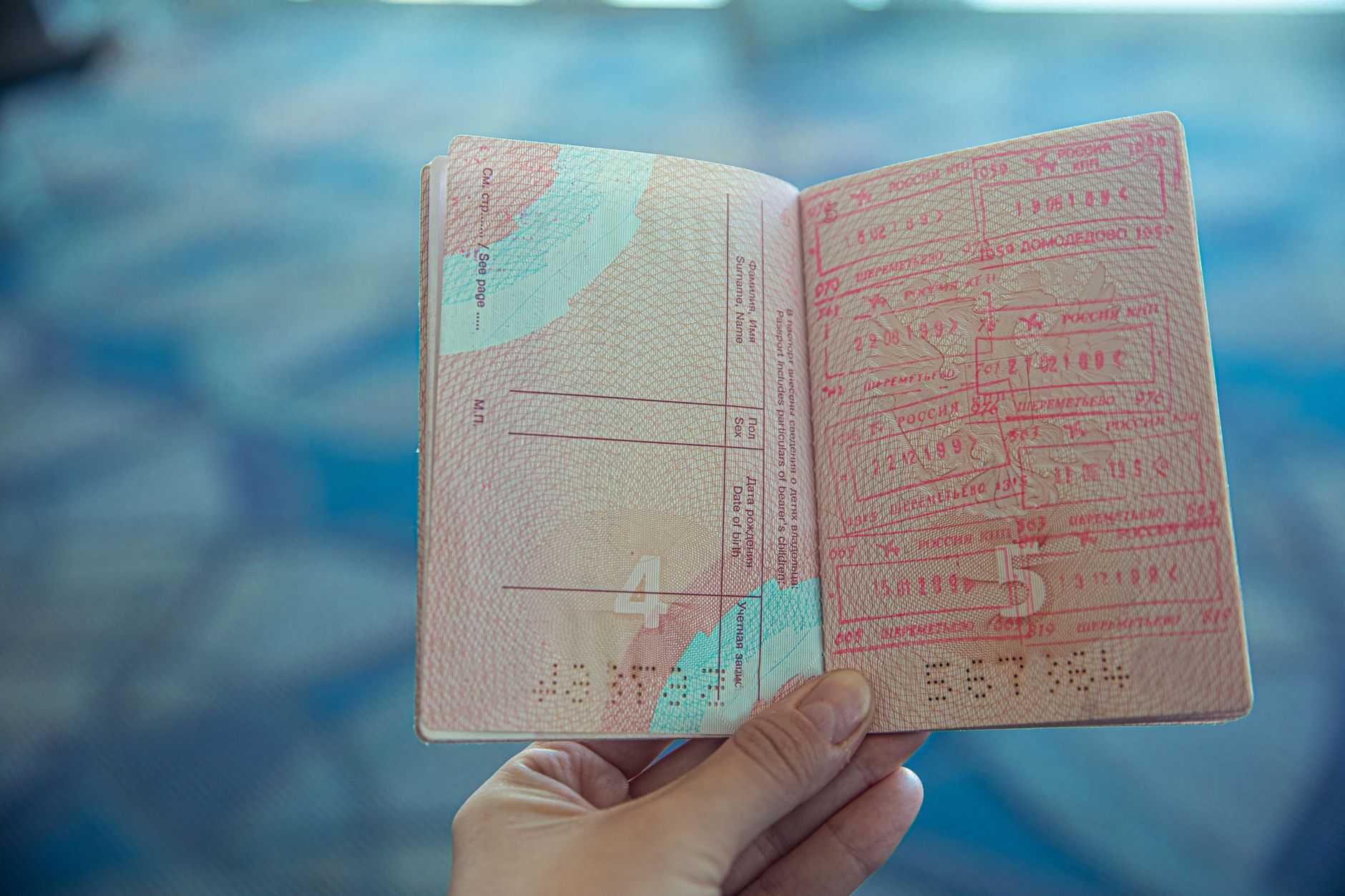
As of November 2026, China’s 240-hour transit visa-free policy allows qualifying passport holders to spend up to 10 full consecutive days in designated Chinese regions without applying for a pre-issued Chinese visa, as long as they hold a valid onward ticket to a third country (not the country they arrived from). China merged the old 72-hour and 144-hour schemes into a single 240-hour policy on 17 December 2024, when the scheme covered 60 ports across 24 provincial-level regions; five more Guangdong ports were added on 5 November 2025, bringing the total to 65. It remains the lowest-barrier way to add a China stopover to a longer multi-country trip.

Official Eligibility Requirements as of November 2026
All eligibility rules are set and enforced by China’s National Immigration Administration, with no discretionary exceptions for non-qualifying travelers.
Eligible Nationalities
57 countries are currently approved for the 240-hour transit policy. This list includes all 27 EU member states, the United States, Canada, the United Kingdom, Australia, New Zealand, Japan, South Korea, Singapore, Switzerland, Norway, Iceland, and most other high-income global markets. If you hold a passport from a country not on this public list, you will not be allowed to use the policy, even with a confirmed onward ticket. HXXC Travel can confirm your nationality’s eligibility for free via a quick email check if you send a scan of your passport photo page.
Required Travel Documents
You must present all three of these items to immigration staff to receive your 240-hour transit stamp:
- A valid ordinary passport (immigration officers apply the general rule that it should still be valid for the whole of your stay; we recommend at least six months’ remaining validity)
- A confirmed, paid onward ticket showing travel from a 240-hour policy port to a third country (the country you arrive in China from does not count as the third country)
- A completed arrival card, which you will receive on your incoming flight or at the port entry hall
You do not need a hotel booking, travel insurance, or proof of funds to qualify, though immigration officers may ask for these items in rare random checks. We recommend carrying a printed or offline screenshot copy of your hotel address for the first night of your stay to avoid delays.
Non-Qualifying Scenarios
You will not be allowed to use the 240-hour transit rule if any of the following apply:
- You hold a Chinese passport, Hong Kong SAR passport, Macau SAR passport, or Taiwan compatriot travel card
- Your onward ticket is for travel to the exact same country you arrived from (for example, arriving from London and departing back to London, even with a 10 day gap in between)
- You hold a refugee travel document or temporary emergency passport instead of a full national passport
- You are arriving in China on a crew member duty pass or other non-travel official document
Permitted Entry Points and Travel Zones
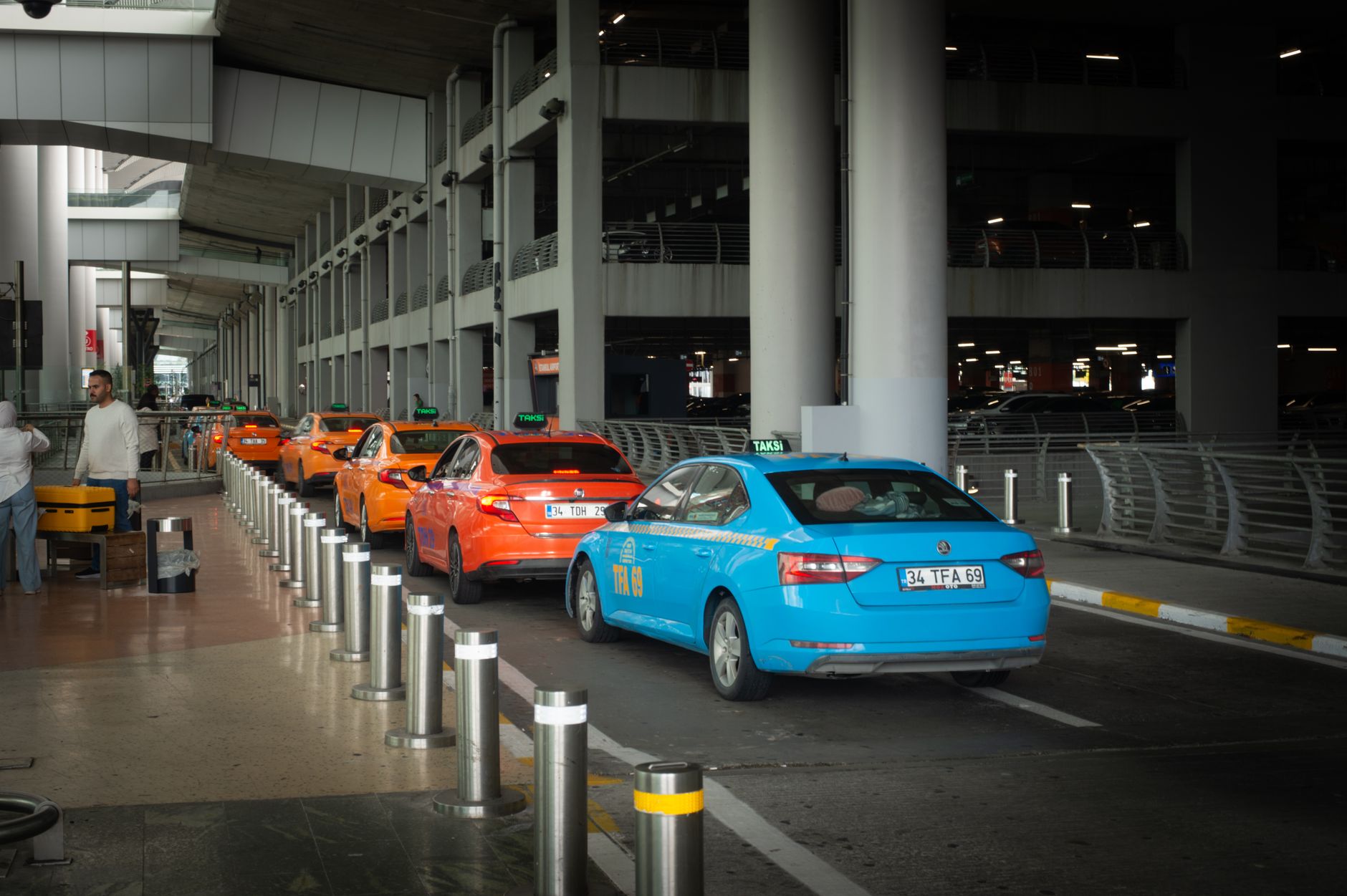
As of November 2026, 65 separate entry ports across 24 provincial-level regions participate in the 240-hour transit policy. What you may visit depends on where you land: every entry port has its own permitted area, and those areas differ — some cover a single city, others two or three provinces. Crossing outside the area attached to your entry port voids the transit permission.
Airport Entry Ports
The 65 ports include international airports, seaports, cruise terminals and rail border crossings. Airport entry ports include Beijing Daxing, Beijing Capital, Tianjin Binhai, Shijiazhuang Zhengding, Shenyang Taoxian, Dalian Zhoushuizi, Shanghai Pudong, Shanghai Hongqiao, Nanjing Lukou, Hangzhou Xiaoshan, Guangzhou Baiyun, Shenzhen Baoan, Zhengzhou Xinzheng, Chongqing Jiangbei, Chengdu Tianfu, Xi’an Xianyang, Urumqi Tianshan and Xining Caojiabao, plus Harbin Taiping, Changsha Huanghua, Wuhan Tianhe, Kunming Changshui, Xiamen Gaoqi, Qingdao Jiaodong, Guiyang Longdongbao, Haikou Meilan and Sanya Phoenix.
Seaport and Railway Entry Ports
Approved non-air ports include the Shanghai Wusongkou international cruise terminal, Guangzhou Nansha seaport, the Kowloon to Guangzhou high speed rail port at Guangzhou East Station, and the Hong Kong to Shenzhen high speed rail port at Shenzhen Futian Station. Note that travelers entering via Hong Kong or Macau cannot count their arrival from those SARs as a qualifying international arrival for the 240-hour transit rule, unless they have come directly to Hong Kong or Macau from a separate third country.
Approved Travel Area Boundaries
The policy covers 24 provincial-level regions, but the area you may actually move around in is defined per region — some are province-wide (for example Anhui, Fujian, Hubei, Hainan, Guizhou and Shaanxi), while others are limited to named cities. You may travel across provincial borders, but only within the permitted areas. Always check the current NIA port-and-area table for the region you plan to enter, because the list is updated whenever ports are added.
Step-by-Step Procedure to Use the 240-Hour Transit Rule

The entire process takes between 5 and 20 minutes at most major ports, with no pre-submission or online registration required before you travel.
Before You Travel
72 hours before your departure for China, confirm that your onward ticket meets all requirements. The ticket must show a confirmed seat on a commercial carrier that departs before the 240 hour window expires. Budget airline tickets, redemption award tickets, and multi-leg open jaw tickets are all accepted, as long as the final leg departs for a third country within your allowed window. HXXC Travel offers a free pre-check service for all our clients, where our local entry advisors will review your ticket and passport details to confirm you meet all requirements before you leave home.
At The Port of Entry
After you disembark your incoming flight, follow signs for the "visa-free transit" lane at immigration, rather than the foreign national visa on arrival lane. Hand your passport, completed arrival card, and printed onward ticket to the immigration officer. The officer will scan your passport, verify your onward booking, and stamp your passport with a 240-hour transit stamp that shows the exact date and time you must exit China. There is no processing fee for this stamp. You do not need to complete any additional registration or paperwork to leave the airport and enter the general public transport network.
Common Mistakes That Result in Entry Denial
In our experience the avoidable errors that most often cause problems at the border are:
- Presenting an onward ticket that connects to another domestic Chinese flight before the international departure, with no clear proof of the final international segment
- Saving the onward ticket confirmation only in a web browser that does not work offline, and having no way to show the ticket to immigration if airport internet is not available
- Booking an onward ticket that departs from a port outside the 65 approved ports, or from a region outside the permitted stay area for the port you entered through
- A passport that is expired, or close enough to expiry that the officer questions whether it covers your stay
Overstaying your 240-hour window by any amount of time is an offence under China’s Exit and Entry Administration Law: the fine is RMB 500 per day of overstay, capped at RMB 10,000. Serious or repeated overstays can lead to detention, deportation and a re-entry ban, so if your flight is cancelled or rescheduled, contact the local exit-entry administration immediately rather than waiting until departure.
Sample Compliant 240-Hour Itinerary
This 9-day southern China itinerary stays fully within the Guangdong province approved zone, and is a popular option for travelers transiting through Guangzhou Baiyun Airport:
- Day 1: Arrive at Guangzhou Baiyun Airport at 10am, clear immigration, take the intercity high speed rail to Jiangmen (45 minute ride)
- Days 2-3: Explore Jiangmen’s historic overseas Chinese villages and local cantonese food spots
- Days 4-5: Travel to Guangzhou, visit the Chen Clan Academy and Canton Tower
- Days 6-7: Travel to Shenzhen, visit the Dapeng Fortress and coastal hiking trails
- Days 8-9: Return to Foshan to visit the old town and Cantonese opera heritage sites
- Day 10: Check in for your departing international flight from Guangzhou Baiyun Airport, 237 hours after your initial arrival
This itinerary uses no internal domestic flights, and all travel stays within the approved Guangdong region boundaries, making it fully compliant with all policy rules.
Frequently Asked Questions
Do I need to apply for 240-hour transit entry in advance?
No. There is no official pre-application, pre-registration, or online form to fill out before you travel. The entire process is completed on arrival at the port of entry, with no advance paperwork required.
Can I extend my stay past the 240 hours once I am inside China?
No. Transit status under this policy cannot be extended under any circumstances. If you need to stay longer than 10 days, you will need to apply for a standard tourist visa from a Chinese consulate in your home country before you travel.
Can I leave the approved area during my transit?
No. Leaving the permitted stay area while on 240-hour transit status is considered a violation of Chinese immigration rules, and you will be subject to fines and possible detention if you are caught.
What happens if my onward flight gets rescheduled after I enter?
Transit status cannot be extended. If your airline reschedules your departure beyond your 240-hour window, go to the local exit-entry administration with your original ticket, the airline’s rescheduling notice and your passport before your permitted stay expires, and follow their instructions. Do not simply stay past your stamp date — that is treated as an overstay. We can help you contact the airline and rebook, but the decision rests with immigration.
References & Updates
This guide is reviewed monthly by the HXXC Travel visa advisory team based at our head office in Jiangmen, Guangdong. The current version was last updated on November 2, 2026. All time-sensitive policy details outlined in this guide are current as of November 2026. Policy rules and port eligibility can change at short notice, so we advise all travelers to cross-check the latest requirements with the official National Immigration Administration website 72 hours before their scheduled departure to confirm no temporary adjustments have been announced.
Related private tours
- 7 Days Yunnan Classic Private Travel Itinerary — 7 days
- Six Cities, One China — 15-Day Family Circuit — 15 days
- Best Tour In China - 19 Days Trip — 19 days · From US$2,896