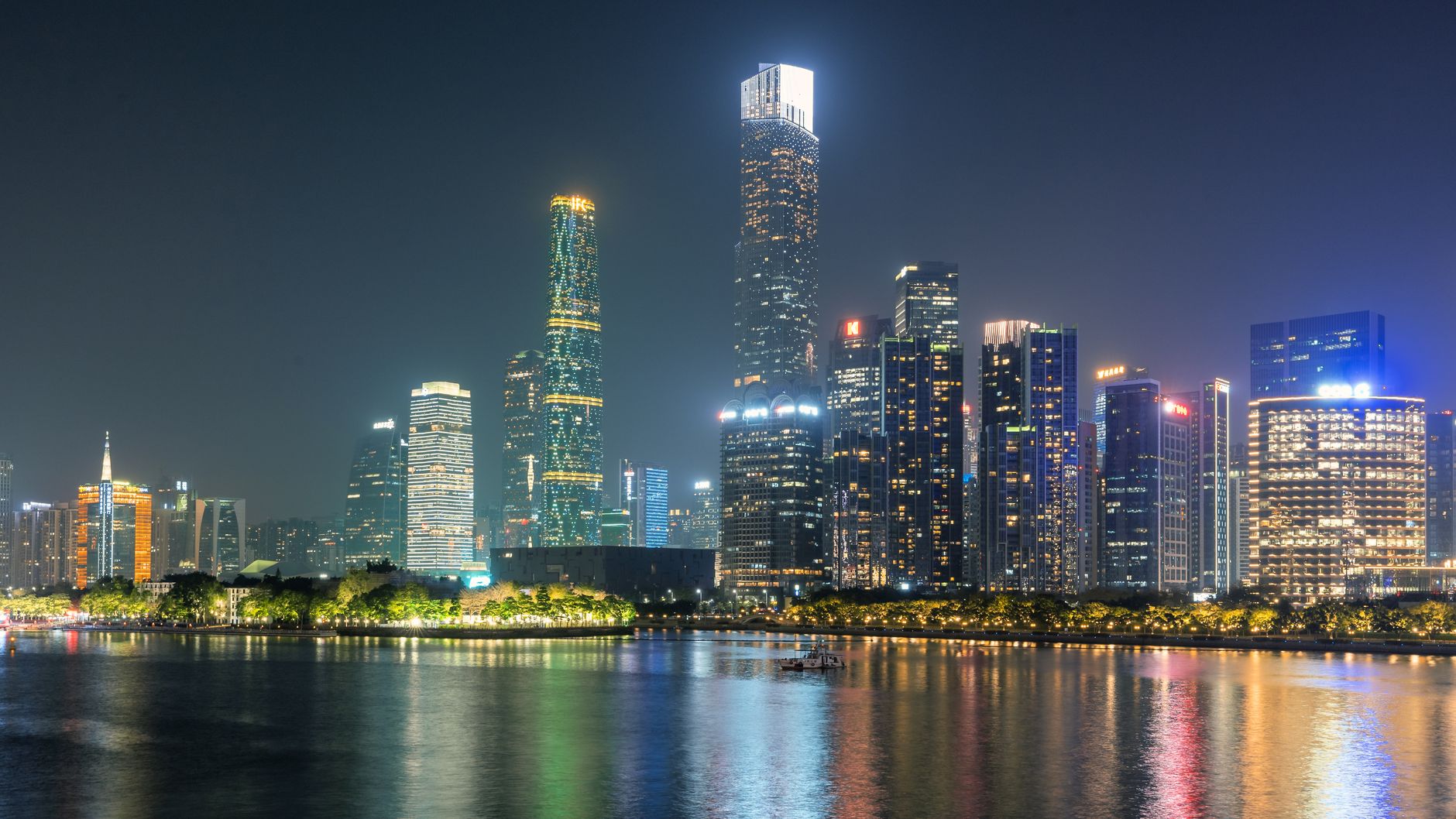
21-Day China Itinerary Overview
A 21-day China deep travel itinerary for first-time visitors covers Beijing, Xi'an, Zhangjiajie, Lhasa, Lijiang and Shanghai, with mid-range guided costs of ¥28,000–¥42,000 per person as of November 2026.
This route is designed for travelers who have time to move past rushed 10-day highlight packages, with 2–4 full days per destination, no forced early mornings, and built-in time for spontaneous food stops or local visits. HXXC Travel’s on-the-ground advisors in Guangdong compiled this itinerary using 2026 transport schedules, current attraction booking rules and local operator partnerships.
The route follows a north-to-east arc with no backtracking, using high-speed rail for short hops and direct flights for longer cross-country segments. Travelers can book it as a fully guided private tour or use the structure for independent planning, with notes below on which segments require advance permits or guided bookings.

Day-by-Day Itinerary Breakdown
Days 1–4: Beijing (3 full sightseeing days)
Most international flights arrive at Beijing Capital International Airport or Daxing International Airport. Private transfer to a central hotel (Wangfujing or Qianmen area is recommended for first-timers) takes 45–90 minutes depending on airport and traffic.
Day 2 covers Tiananmen Square, the Forbidden City (book 7 days in advance as of November 2026) and Jingshan Park for overhead palace views.
Day 3 visits the Mutianyu section of the Great Wall (1.5–2 hours by car from central Beijing) with cable car access and a toboggan descent option, stopping at the Summer Palace on the return if time allows.
Day 4 focuses on local life: Temple of Heaven in the morning, a hutong rickshaw tour in the Shichahai area in the afternoon, and a Peking duck dinner.
Days 5–7: Xi’an (2.5 full days)
Day 5 morning departure from Beijing West Station on a G-series high-speed train to Xi’an North Station, with a travel time of ~4 hours 40 minutes. Arrive mid-afternoon, check into a hotel near the City Wall or Muslim Quarter, then spend the evening exploring the Muslim Quarter’s street food stalls (try roujiamo, liangpi and yangrou paomo).
Day 6 is a full-day trip to the Terracotta Army Museum, 40 minutes east of Xi’an by car. Book tickets 3–5 days in advance as of November 2026, and allocate 3–4 hours for the three excavation pits and museum exhibits. Stop at Huaqing Pool on the return if interested in Tang Dynasty imperial history.
Day 7 covers central Xi’an: rent a bike to cycle the 13.7km City Wall in the morning, visit Big Wild Goose Pagoda in the afternoon, and attend a Tang Dynasty dance show in the evening.
Days 8–12: Zhangjiajie (4 full days)
Day 8 morning direct flight from Xi’an Xianyang International Airport to Zhangjiajie Hehua International Airport, flight time ~2 hours 10 minutes. Arrive midday, check into a hotel near the national park entrance (Wulingyuan area) and rest after travel.
Days 9 and 10 cover Zhangjiajie National Forest Park, a UNESCO site of quartz sandstone pillars. Day 9 includes Yuanjiajie Scenic Area (the inspiration for Avatar’s Hallelujah Mountain) and Tianzi Mountain. Day 10 follows Golden Whip Stream and less crowded western park areas.
Day 11 is for Tianmen Mountain, accessible via the world’s longest cable car from downtown Zhangjiajie. The mountain features glass plank roads, a natural cave arch and a 99-turn mountain road. Book tickets 7 days in advance as of November 2026, as slots sell out quickly in peak season.
Day 12 is a day trip to Zhangjiajie Grand Canyon Glass Bridge and Furong Town, a riverside ancient town built alongside a waterfall. Return to Wulingyuan by evening.
Days 13–16: Lhasa (3 full days)
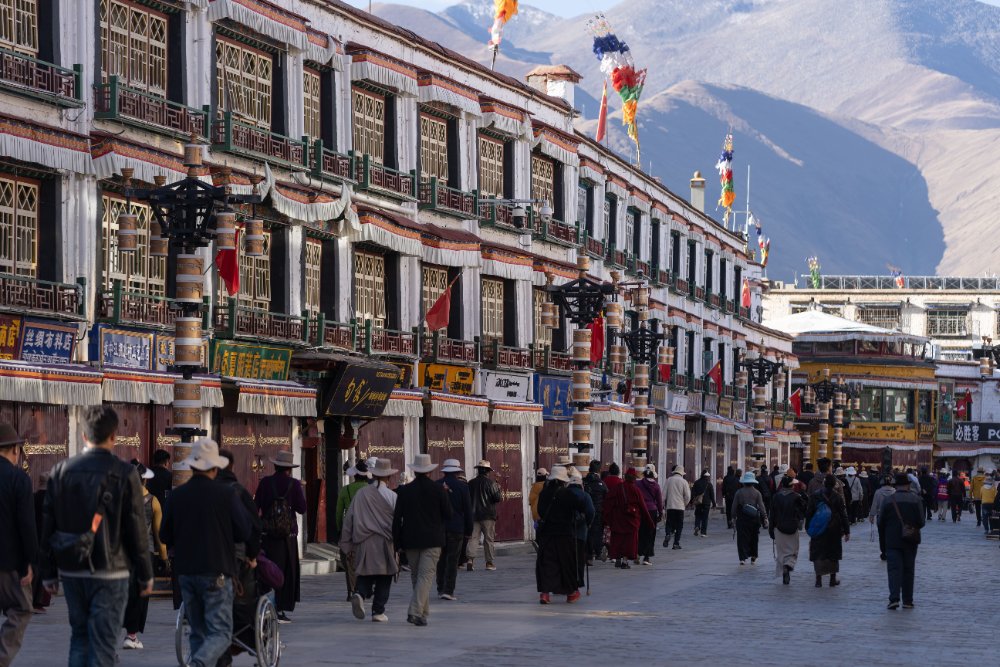
Day 13 morning flight from Zhangjiajie to Lhasa Gonggar Airport, with a 1–2 hour layover in Chengdu or Chongqing (total travel time ~5 hours). Arrive in Lhasa and check into a hotel near Barkhor Street. Spend the rest of the day resting to acclimatize to the 3,650m altitude — avoid alcohol, heavy exercise and hot showers on the first day.
Day 14 covers the core Lhasa sites: Potala Palace (book 1 day in advance via the official WeChat mini-program as of November 2026, with timed entry slots), Jokhang Temple and Barkhor Street. Hire a local Tibetan guide for context on religious and cultural history.
Day 15 visits Drepung Monastery, one of the largest Tibetan Buddhist monasteries in the world, and Sera Monastery, known for its afternoon monk debate sessions. Stop at a local teahouse in the old city for butter tea and tsampa in the late afternoon.
Day 16 is a day trip to Namtso Lake, a high-altitude salt lake 250km north of Lhasa. The drive takes 4–5 hours each way, so depart early. Bring warm layers, as lake temperatures (4,718m) are 10–15°C cooler than Lhasa even in summer.
Days 17–18: Lijiang (1.5 full days)
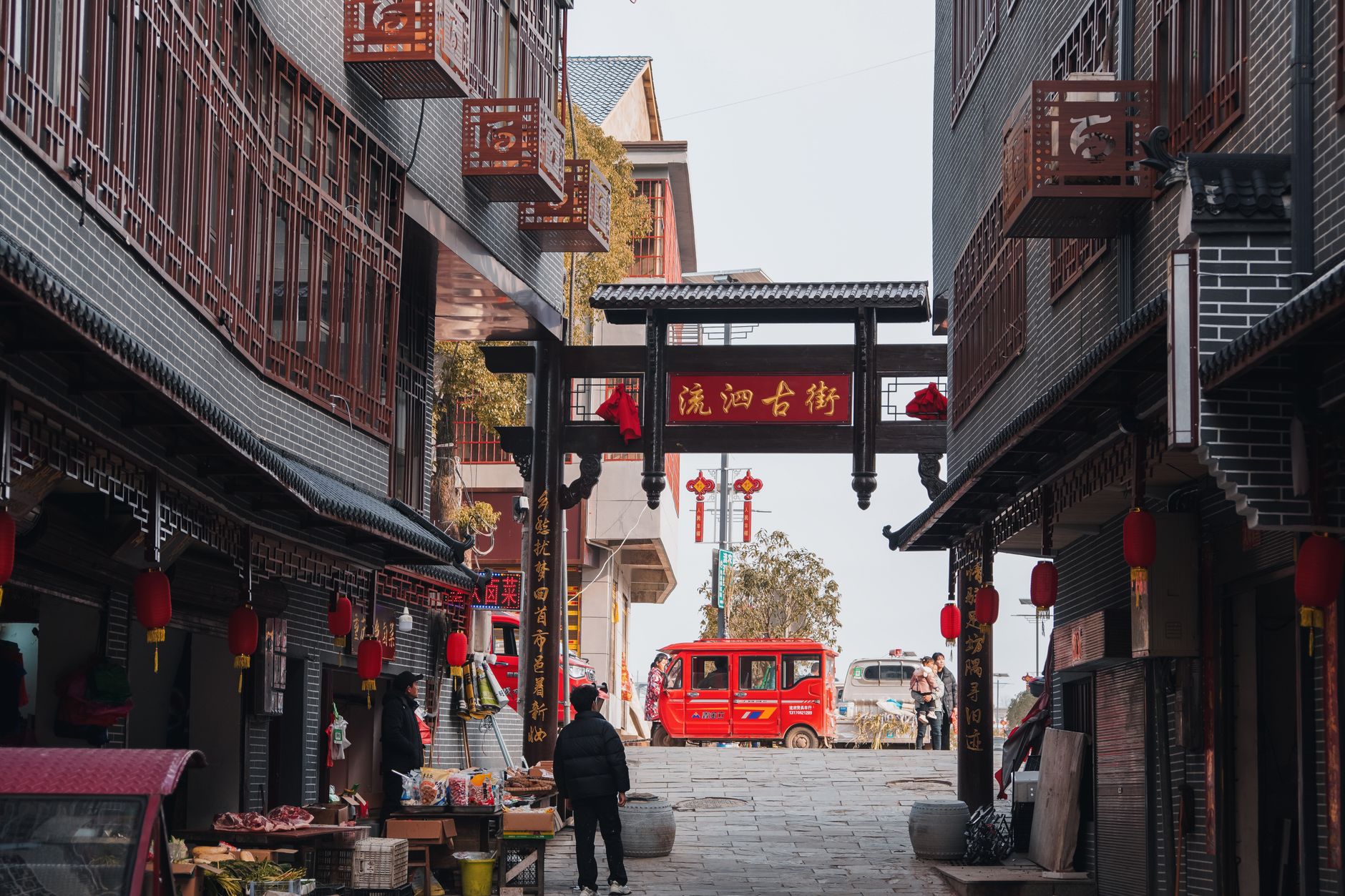
Day 17 morning direct flight from Lhasa to Lijiang Sanyi International Airport, flight time ~2 hours 30 minutes. Arrive midday, check into a hotel in or near the Old Town of Lijiang, a UNESCO World Heritage Site with Naxi-style wooden architecture and cobblestone lanes.
Day 17 afternoon explores the Old Town: Sifang Street, Mu Palace complex, and Wangu Tower viewpoint for rooftop views. Try local dishes like crossing-the-bridge noodles and yak cheese sticks at family-run restaurants.
Day 18 visits Black Dragon Pool Park in the morning, with views of Jade Dragon Snow Mountain reflected in the pool (clear skies are most common before 10am). In the afternoon, attend a Naxi ancient music performance by local musicians in the Old Town.
Days 19–21: Shanghai (2.5 full days, departure day 21)
Day 19 morning direct flight from Lijiang to Shanghai Hongqiao International Airport, flight time ~3 hours 10 minutes. Arrive mid-afternoon, check into a hotel near the Bund or French Concession. Walk the Bund at sunset to see the Pudong skyline light up.
Day 20 covers Yu Garden and the old street bazaar in the morning, Nanjing Road pedestrian street in the afternoon, and the French Concession’s tree-lined lanes and cafes. End the day with xiaolongbao (soup dumpling) dinner.
Day 21 morning visit the Shanghai Tower observation deck (118th floor) for 360-degree views of the city, then transfer to Pudong International Airport for departure. Allow 1.5–2 hours for travel between central Shanghai and Pudong Airport.
Key Logistics & Practical Tips
Transport
High-speed rail tickets for G-series trains can be booked 15 days in advance as of November 2026 via the official 12306 app or a local tour operator. Book popular routes like Beijing-Xi’an as soon as tickets open to secure seat selection.
Domestic flight prices are 2–3 times higher during peak periods (Chinese New Year, May Day holiday, early October National Day). Book 1–2 months in advance for the best rates.
Private transfers between airports, stations and hotels are recommended for first-time travelers, as public transport can be confusing for non-Chinese speakers. HXXC Travel includes private transfers with English-speaking drivers on all guided 21-day tours.
Typical Costs (as of November 2026)
- Budget (independent, hostels, public transport, local food): ¥14,000–¥20,000 per person
- Mid-range (3–4 star hotels, private transfers, guided attraction visits, mix of local and mid-range restaurants): ¥28,000–¥42,000 per person
- Luxury (5-star hotels, private guides, business class flights, high-end dining): ¥60,000+ per person
All costs exclude international flights to and from China, travel insurance, and personal shopping. Tibet permit fees and Zhangjiajie park entry fees are included in the mid-range and luxury estimates above.
Visa & Permits
Most English-speaking country passport holders (US, UK, Canada, Australia, New Zealand) need a Chinese L (tourist) visa, applied for in advance at a Chinese embassy or consulate. As of November 2026, 240-hour visa-free transit is available for 57 nationalities, but it does not cover a 21-day trip.
Travel to Lhasa and all of Tibet requires a separate Tibet Travel Permit, only available through registered Chinese tour operators. Independent travel to Tibet is not permitted as of November 2026. Apply at least 20 days before your trip, with extra time for areas outside Lhasa.
Re-check all visa and permit rules 1–2 months before travel, as policies can change with short notice. HXXC Travel assists with Tibet permit applications for all 21-day tour guests.
Booking & Planning Tips
Top attractions (Forbidden City, Potala Palace, Zhangjiajie National Forest Park, Tianmen Mountain) require advance timed entry, and many sell out 7–10 days early in peak season (April–October). Do not plan to buy same-day tickets.
The best travel windows are late April to early June and September to mid-October, with mild temperatures and low rainfall across all destinations. Avoid the first week of October and Chinese New Year (January/February) due to crowds and higher prices.
Private guided tours eliminate stress from ticket booking, language barriers and transport planning for first-timers. HXXC Travel customizes this 21-day itinerary for free for all private tour bookings.
References & Updates
This guide is reviewed monthly by HXXC Travel’s local advisor team based in Jiangmen, Guangdong, to ensure transport schedules, ticket prices and policy details are current.
Last updated: October 23, 2026. Time-sensitive details (visa rules, permit requirements, entry booking windows) are marked with their effective date and should be re-confirmed before travel.
FAQ
Is 21 days enough to travel China without feeling rushed?
Yes. 21 days lets you visit 5–6 core destinations with 2–4 full days per stop, without the early-morning rushes of shorter package tours. This itinerary leaves free time each evening for exploring or spontaneous stops.
How much does a 21-day China trip cost for a first-timer?
As of November 2026, a mid-range 21-day trip costs ¥28,000–¥42,000 per person, including domestic transport, 3–4 star hotels, entry fees, private transfers and most meals. Budget trips cost ¥14,000–¥20,000, and luxury trips start at ¥60,000. International flights are excluded.
Do I need a guide for a 21-day China trip?
A guide is not required for most destinations if you speak basic Chinese and can plan advance bookings, but it is highly recommended for first-timers, especially the Lhasa segment (where independent travel is not permitted as of November 2026). Guides help with language barriers, tickets and local context.
What is the best month to take a 21-day China tour?
Late April to early June and September to mid-October are best, with mild temperatures and low rainfall across all destinations. Avoid the first week of October and Chinese New Year (January/February) due to extreme crowds and higher prices.
Can I customize this 21-day China itinerary?
Yes. Common customizations include adding Chengdu (for giant pandas) between Xi’an and Zhangjiajie, extending Lijiang for a Jade Dragon Snow Mountain hike, or replacing Shanghai with Guilin’s karst scenery. HXXC Travel adjusts itineraries for free for all private tour bookings.
Related private tours
- Best Of China — 20-Day Private Tour — 20 days
- Best Tour In China - 19 Days Trip — 19 days · From US$2,896
- Grand China Odyssey — 19 Days Cross-Country — 19 days · From US$2,450